
The Enchanting Butterfly: Nature’s Delicate Pollinator
Butterflies are among nature’s most beautiful and beneficial insects. With their vibrant wings and graceful flight, they bring color and life to gardens worldwide. Beyond their aesthetic appeal, butterflies play a crucial role in pollination, helping plants reproduce and thrive. By understanding and supporting these delicate creatures, we can enhance biodiversity and enjoy a healthier, more vibrant ecosystem right in our backyards.
Physical Traits and Behavior
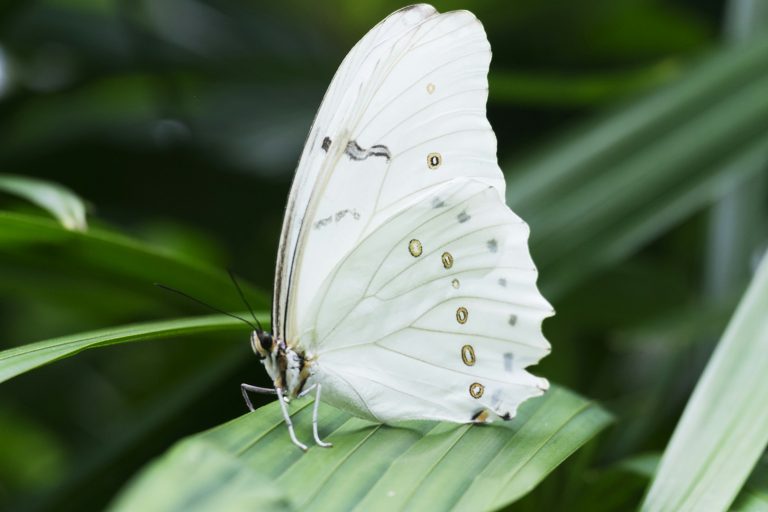
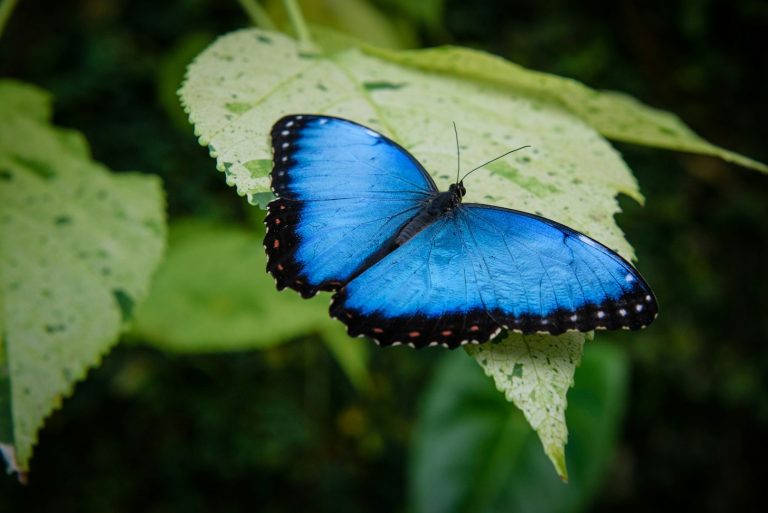
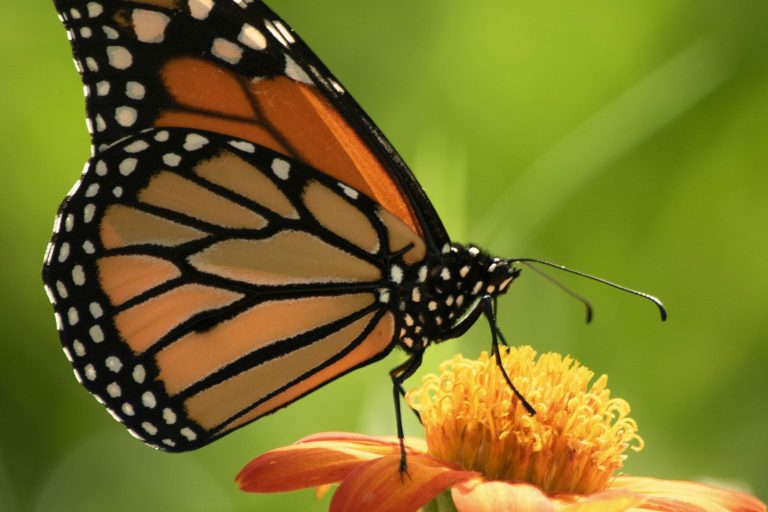
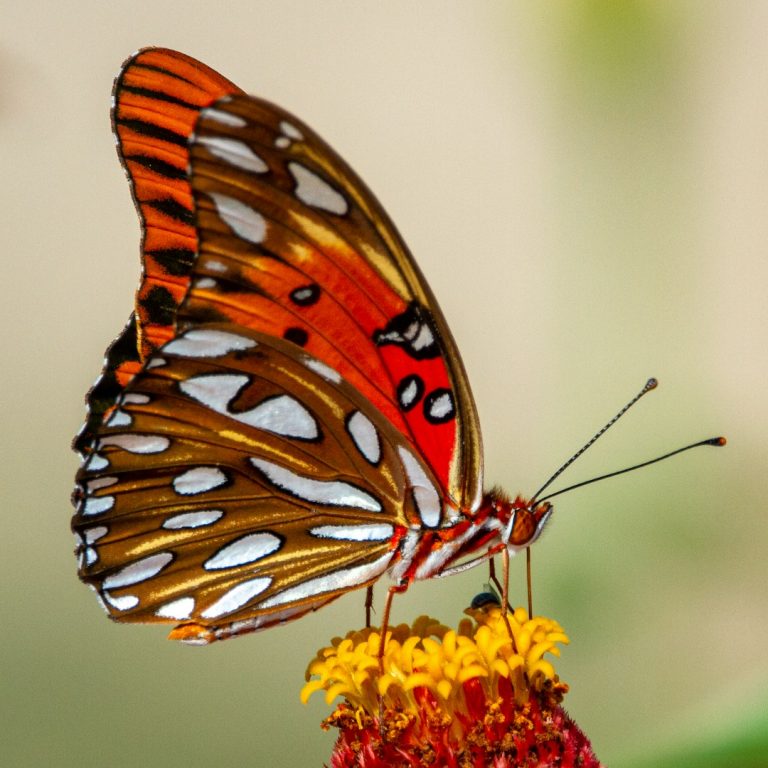
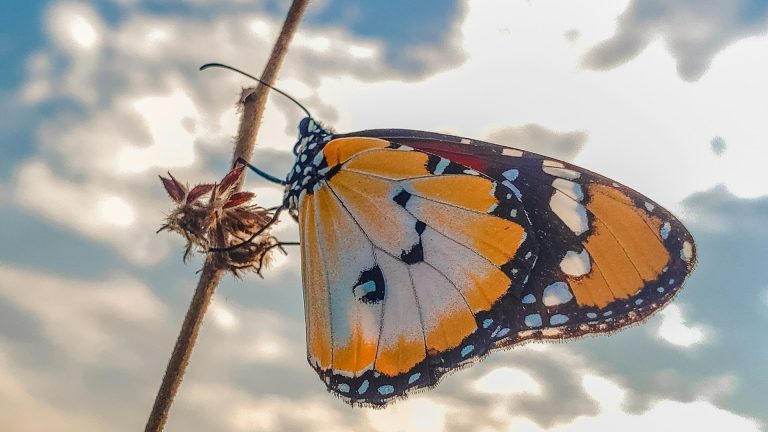
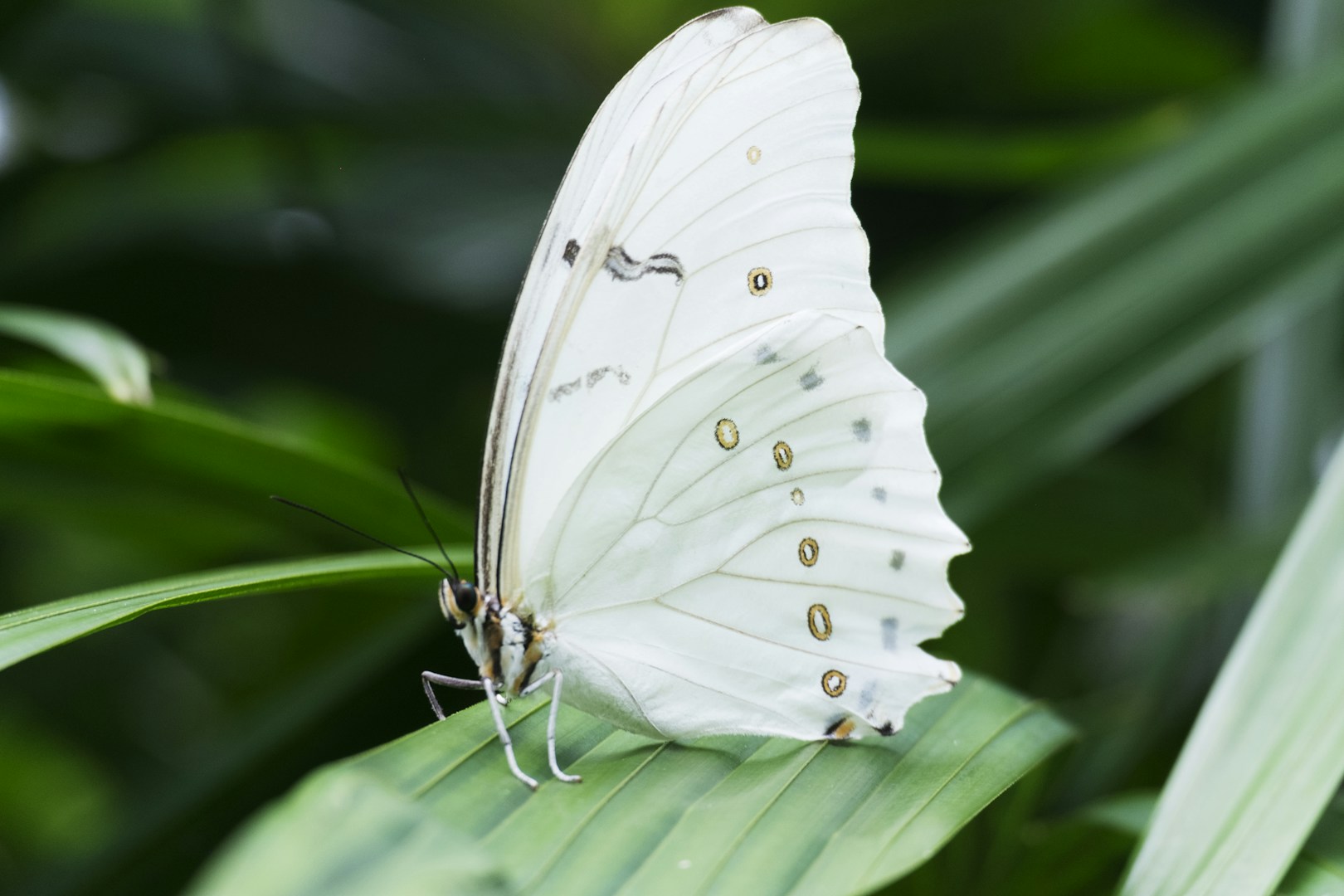
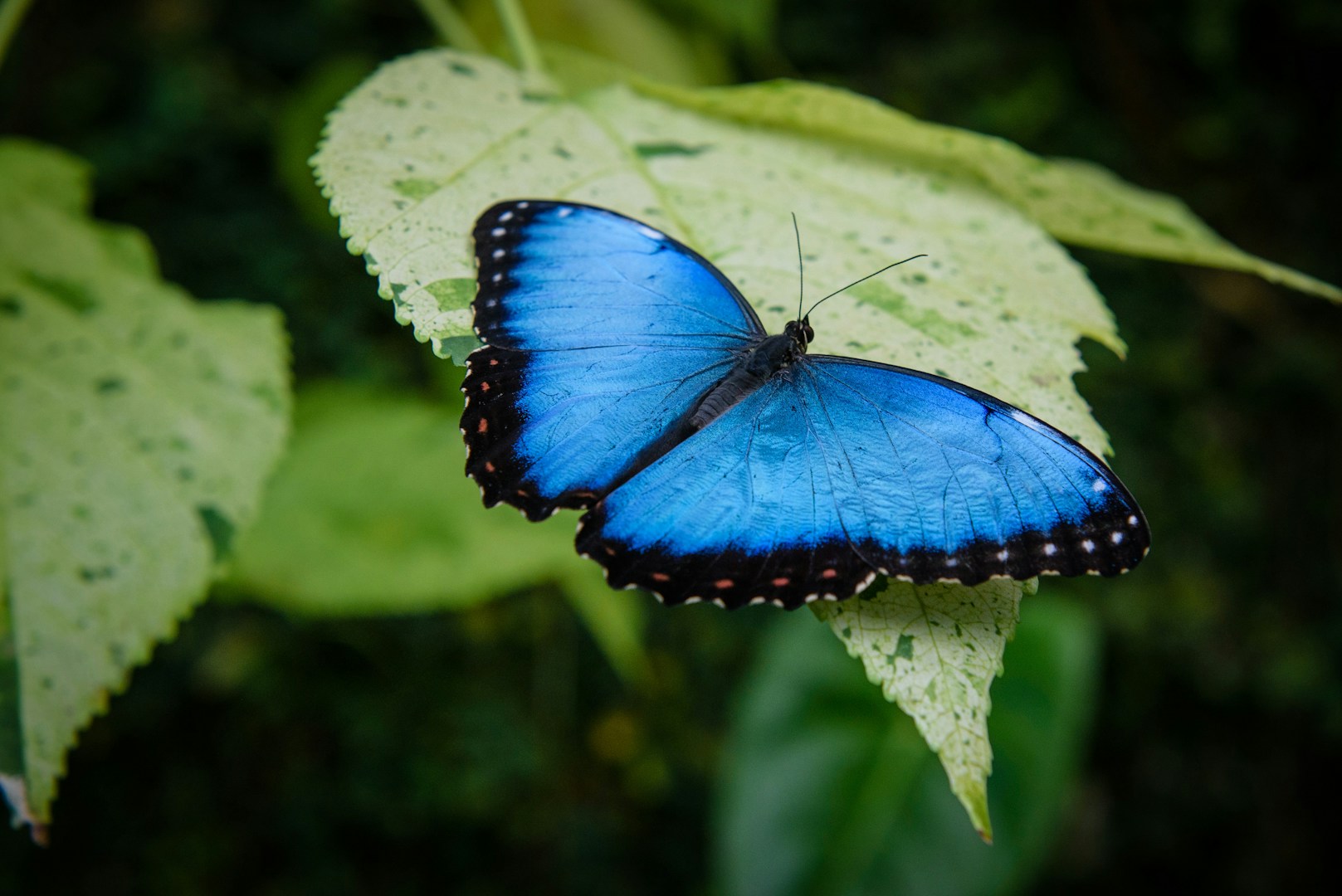
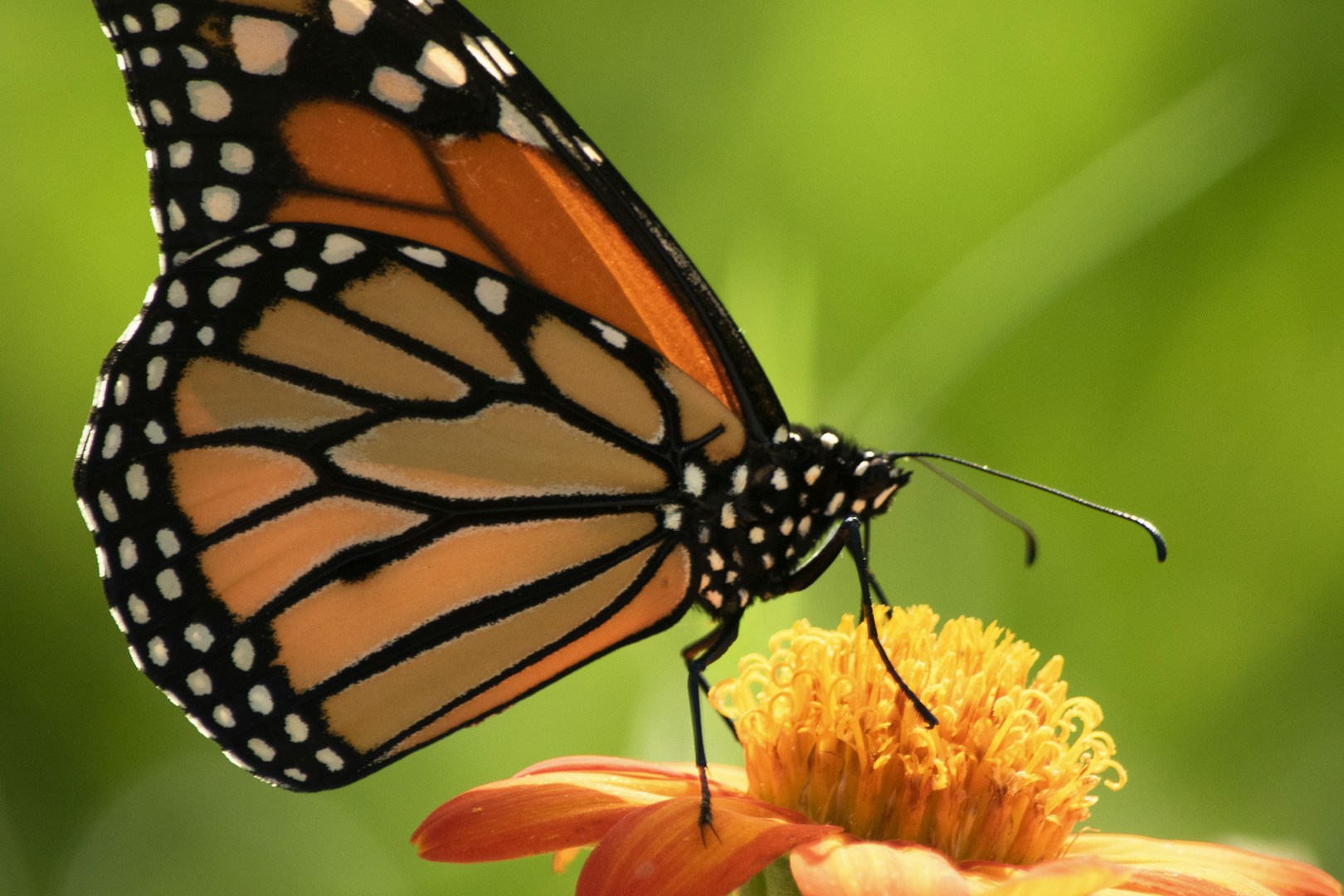
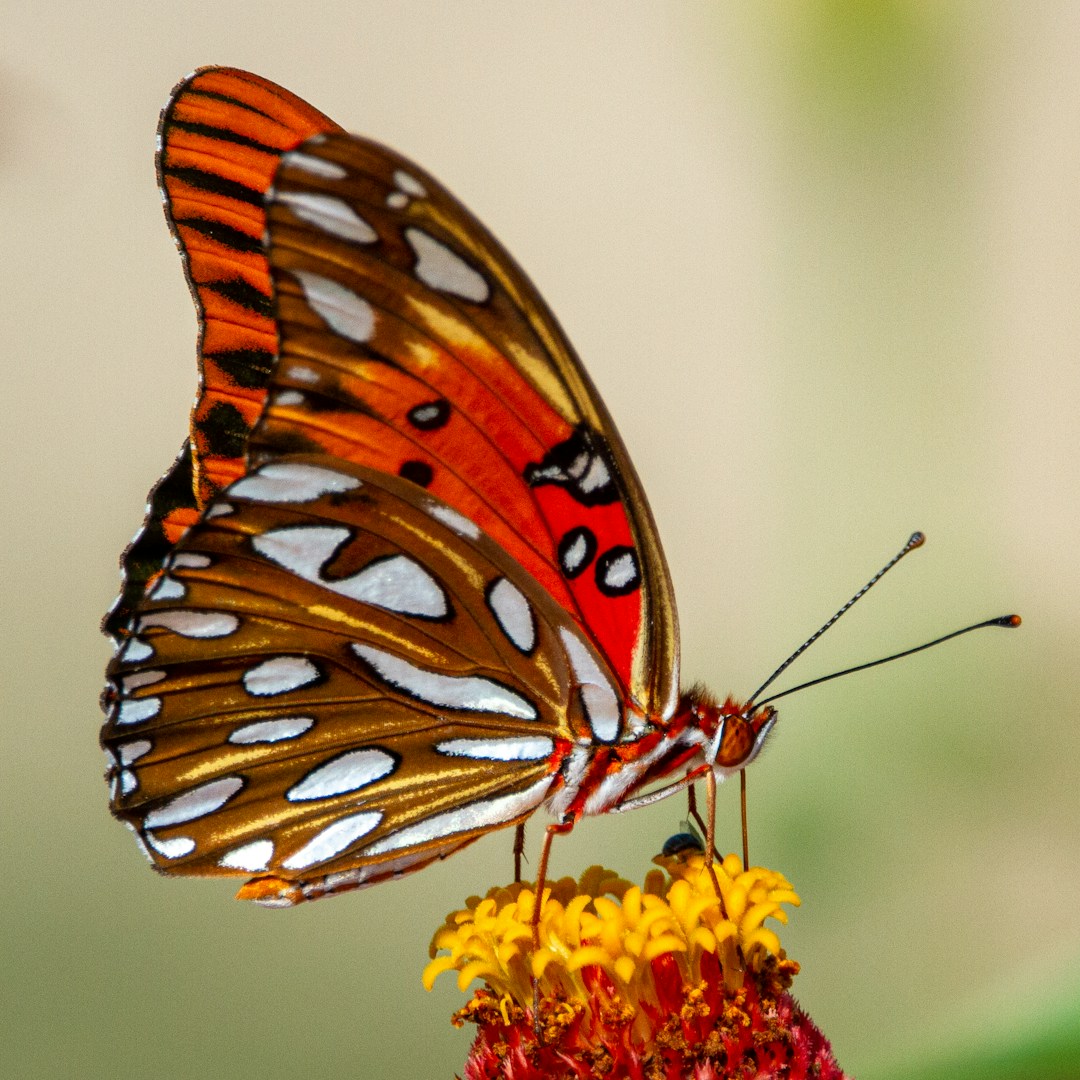
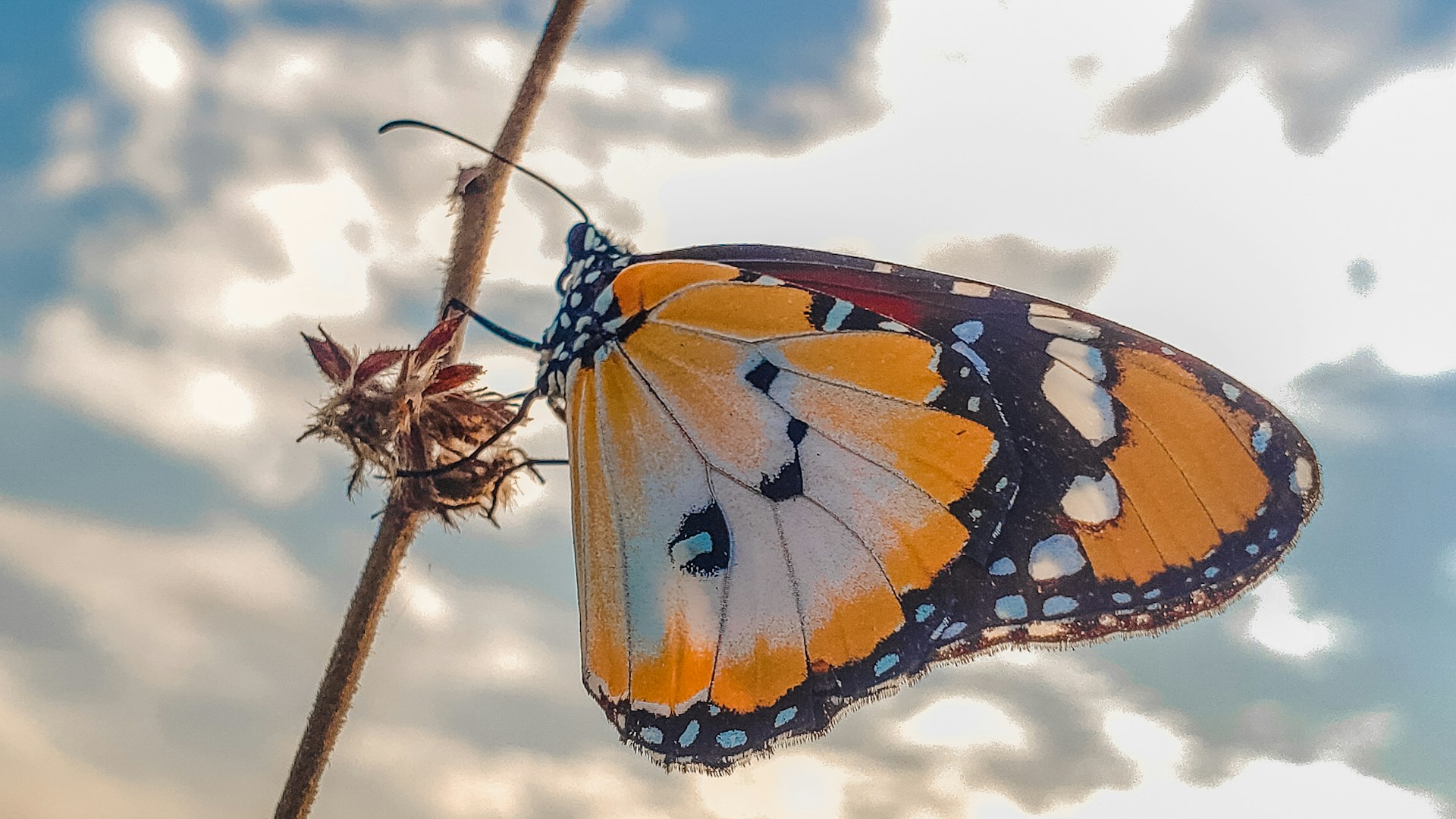
Butterflies are known for their striking, often brightly colored wings, which are covered in tiny scales that reflect light in dazzling patterns. Their life cycle, from egg to caterpillar to chrysalis to adult, is one of nature’s most remarkable transformations. Butterflies are cold-blooded and rely on the sun to warm their bodies for flight. They feed primarily on nectar from flowers, using their long, coiled proboscis to sip liquid nutrients. Most species are active during the day, flitting from flower to flower in search of food and mates.
How to Attract and Protect Butterflies
Creating a butterfly-friendly garden is simple and rewarding. Plant a variety of nectar-rich flowers, such as milkweed, lavender, and coneflowers, to provide food for adult butterflies. Include host plants like parsley and dill for caterpillars to feed on. Avoid using pesticides, which can harm butterflies at all life stages. Provide shallow water sources, like a birdbath with stones for perching, and sunny, sheltered spots where butterflies can bask. By offering these essentials, you can transform your garden into a haven for these winged wonders.
Benefits of Butterflies in the Garden
Butterflies are essential pollinators, helping plants produce fruits, seeds, and new growth. As they move from flower to flower, they transfer pollen, supporting the reproduction of many flowering plants, including crops like tomatoes and peppers. Additionally, butterflies serve as a food source for birds, bats, and other wildlife, making them a vital link in the food chain. Their presence is also an indicator of a healthy environment, as they thrive in areas free of pesticides and rich in native plants.
Curiosities About Butterflies
- Butterflies taste with their feet, using special sensors to detect plant chemicals.
- Some species, like the monarch, migrate thousands of miles to escape cold weather.
- The lifespan of a butterfly varies widely, from just a few days to nearly a year, depending on the species.
- The glasswing butterfly has transparent wings, making it nearly invisible to predators..
Challenges and Conservation
Butterflies face numerous threats, including habitat loss, climate change, and pollution. Many species, such as the iconic monarch butterfly, are declining due to the destruction of milkweed and other native plants. Conservation efforts, like planting native gardens and reducing pesticide use, can help protect these fragile insects. Community initiatives, such as butterfly counts and habitat restoration projects, also play a key role in ensuring their survival for future generations.