
Frogs: The Garden’s Little Helpers
Frogs are small, amphibious creatures that play a vital role in maintaining healthy ecosystems. With their bulging eyes, powerful legs, and distinctive croaks, they are a familiar sight in ponds, marshes, and gardens. Beyond their charming appearance, frogs serve as natural pest controllers, environmental indicators, and contributors to biodiversity. By encouraging frogs to live in your garden, you create a balanced, thriving habitat that benefits both plants and wildlife.
Physical Traits and Behavior
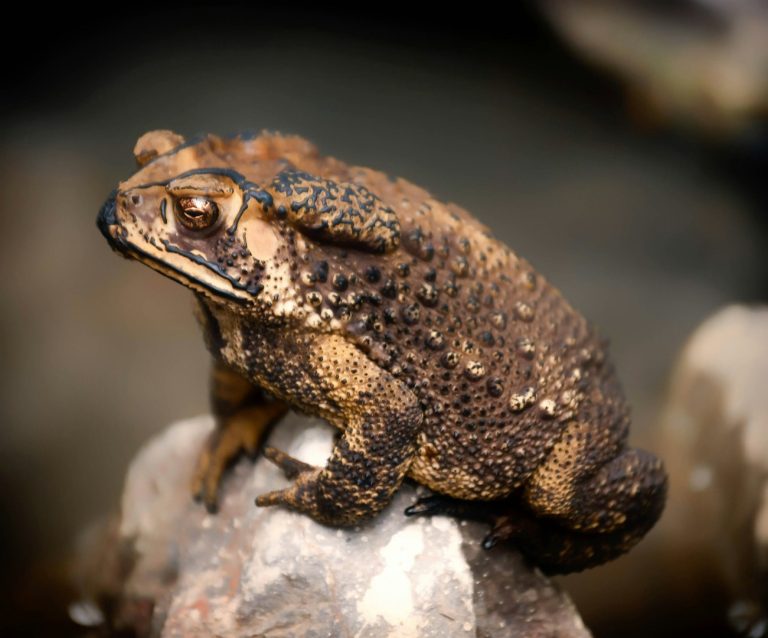
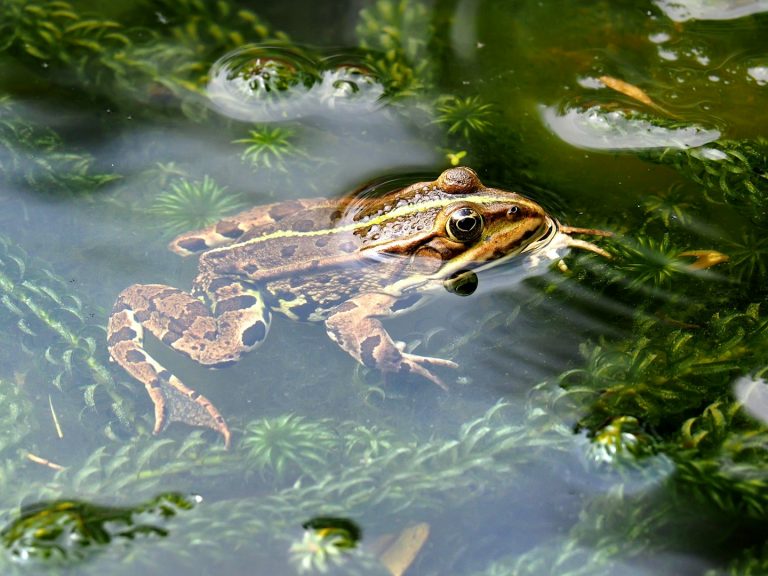
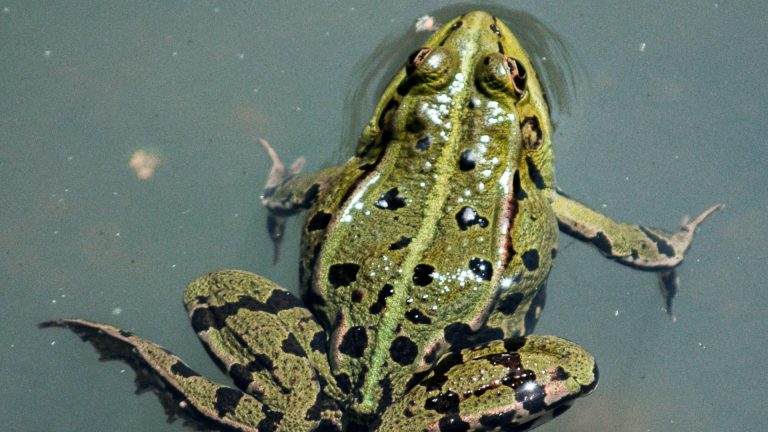
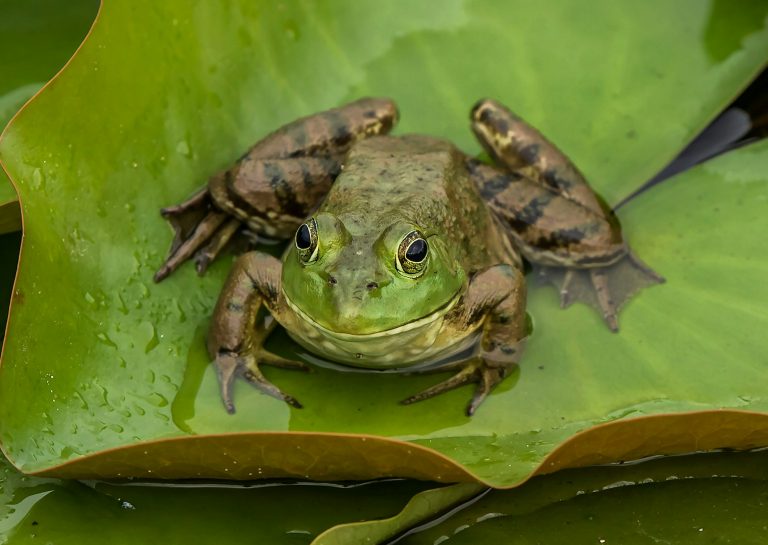
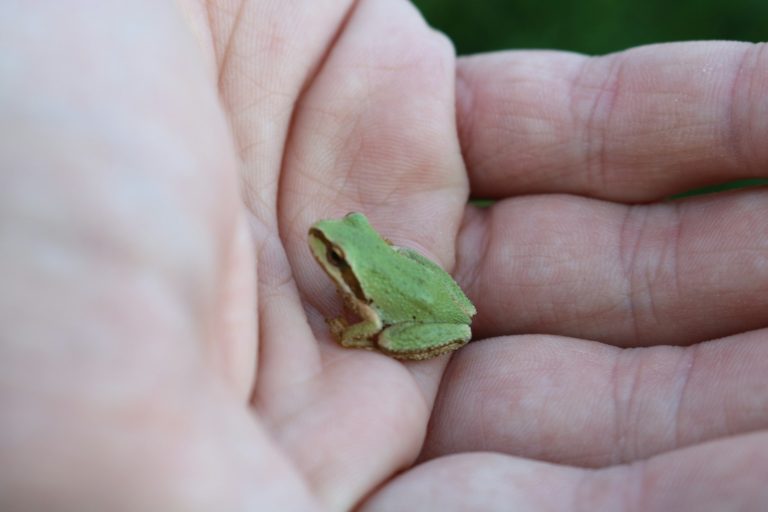
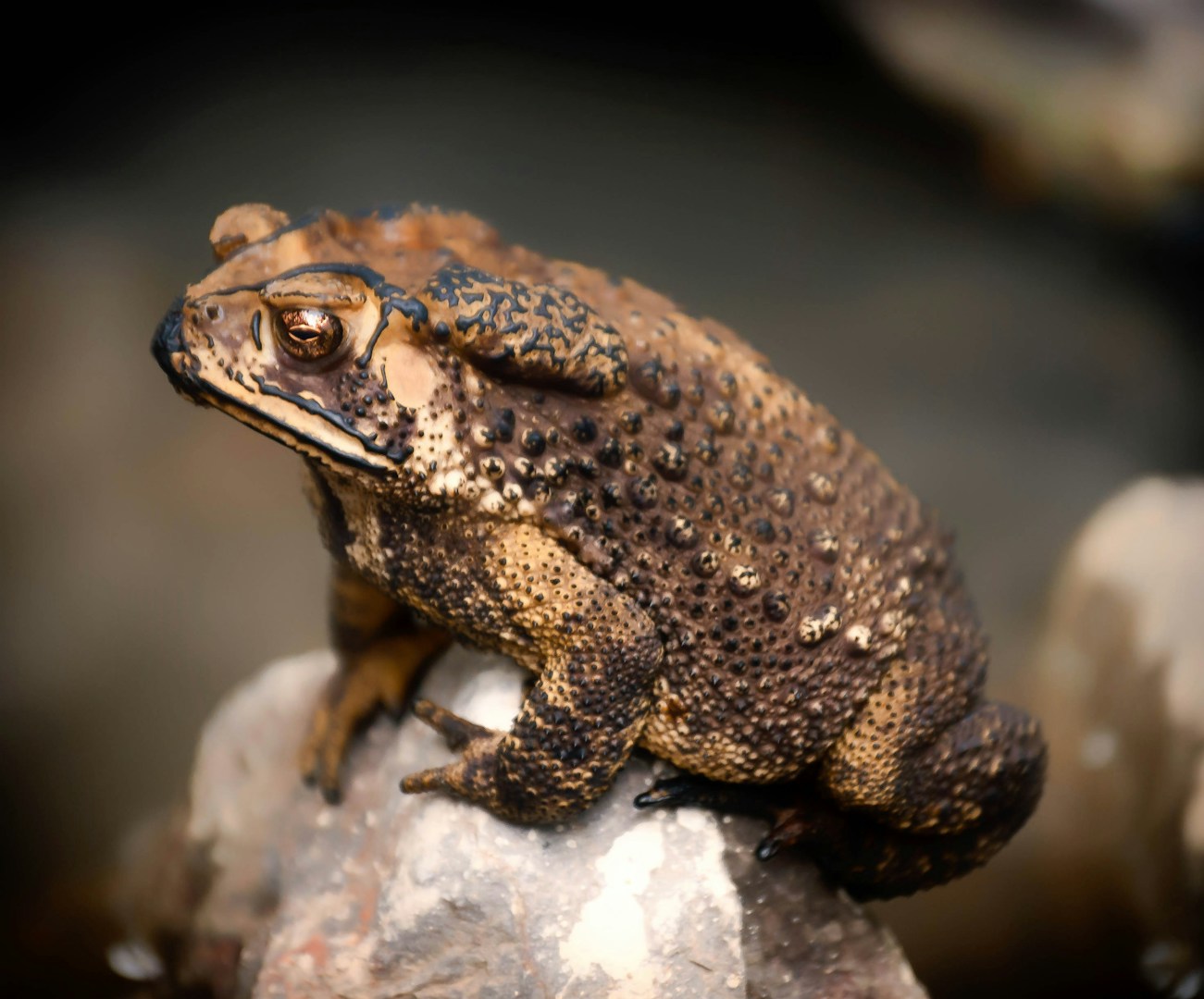
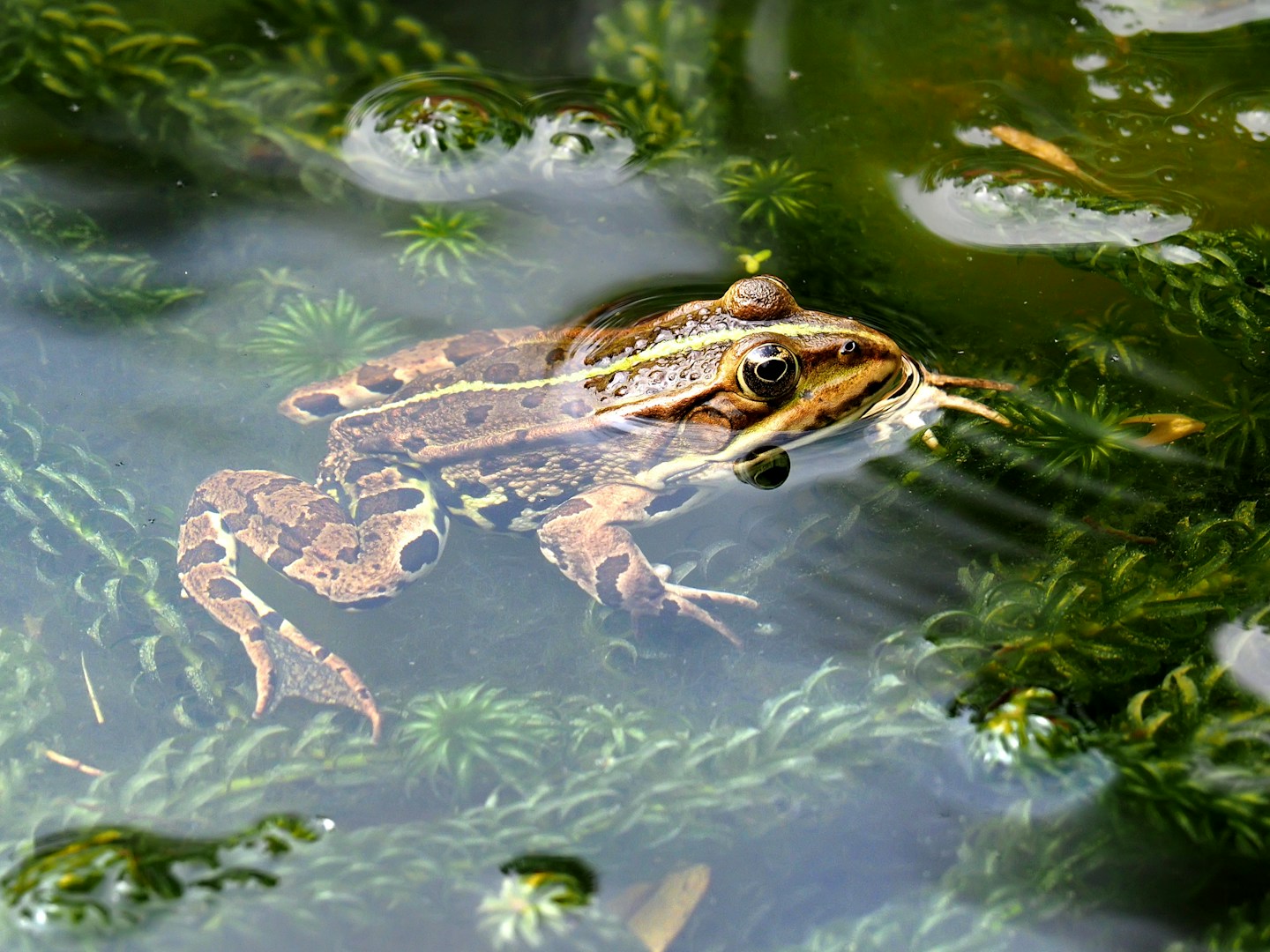
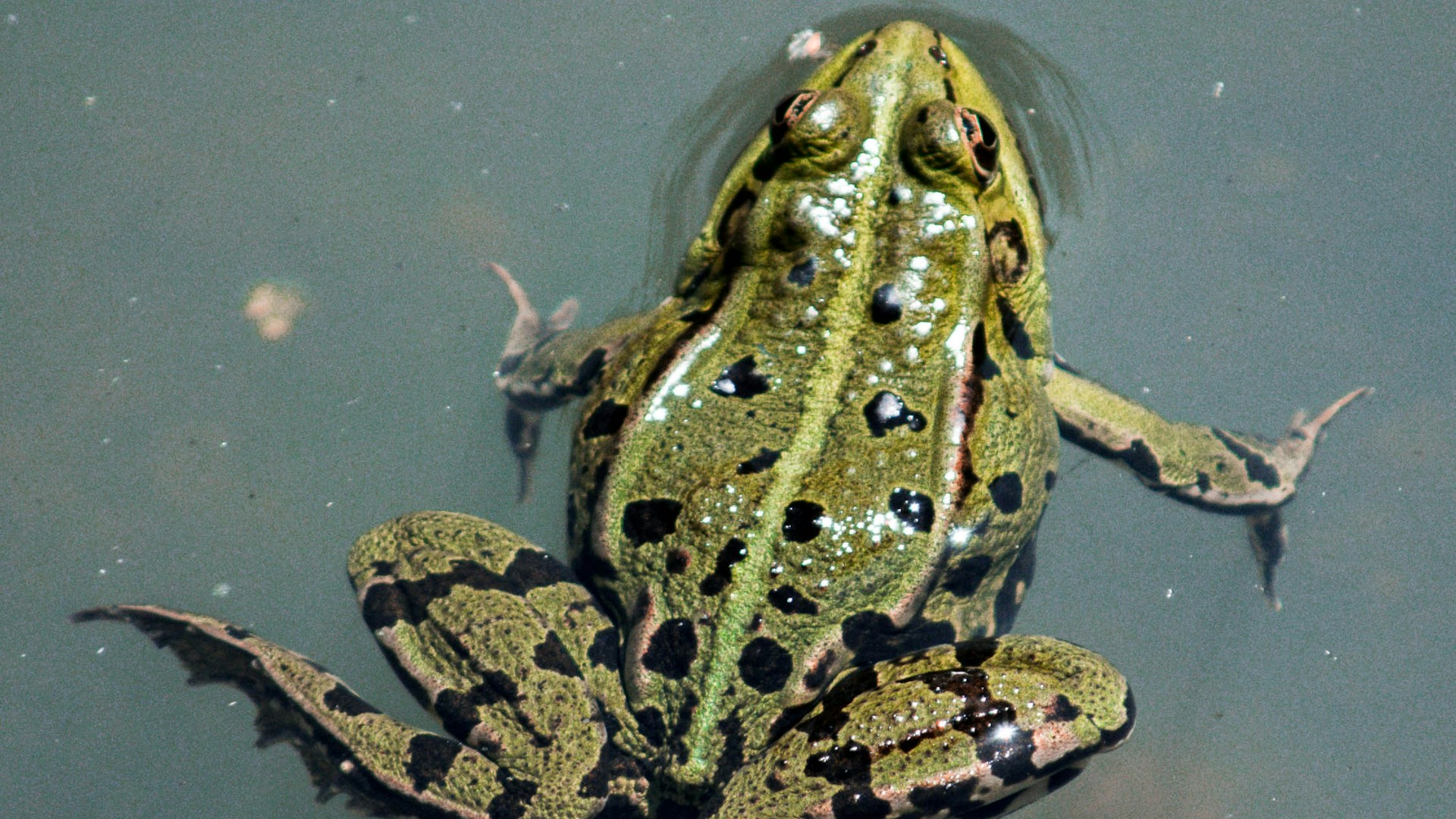
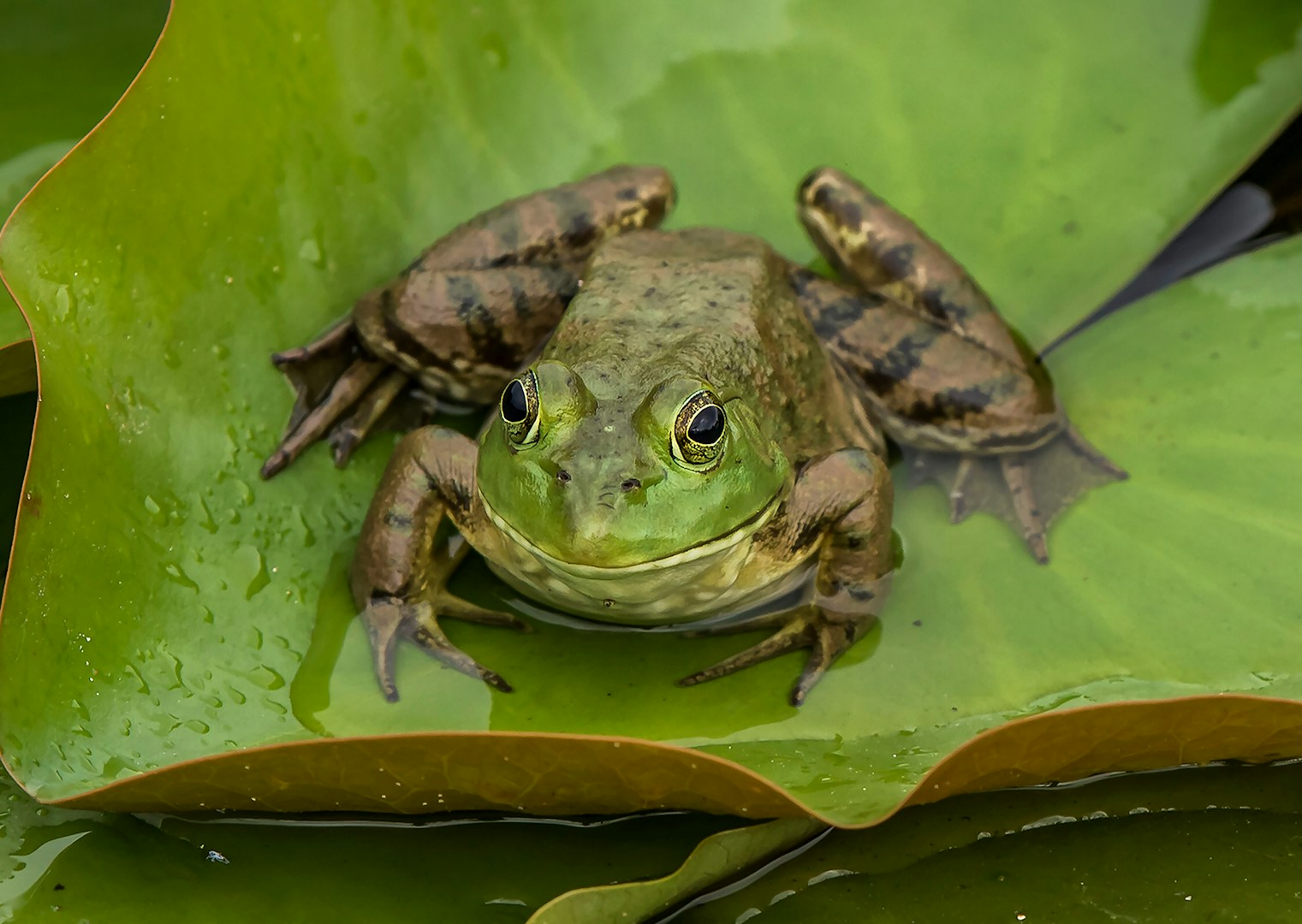
Frogs are amphibians, meaning they live both in water and on land. They have smooth, moist skin, long hind legs built for jumping, and webbed feet for swimming. Unlike toads, frogs are more dependent on water and have sleeker bodies. They communicate through a variety of calls, especially during mating season, and their life cycle, from egg to tadpole to adult, is a fascinating example of metamorphosis. Frogs are most active at night, when they hunt for insects and other small prey.
Creating a Frog-Friendly Garden
To attract frogs to your yard, provide a welcoming habitat:
Build a small pond (even a shallow one works) with gentle slopes for easy access.
Include rocks, logs, and dense plants for shelter and shade.
Avoid pesticides and herbicides, which can harm frogs and their food sources.
Keep some areas damp, as frogs need moisture to survive.
Frogs as Natural Pest Control
One of the biggest advantages of having frogs in your garden is their appetite for pests. A single frog can consume hundreds of insects per night, including mosquitoes, flies, beetles, and slugs. This makes them an eco-friendly alternative to chemical pesticides. By reducing the number of harmful insects, frogs help protect your plants while maintaining a natural balance in the ecosystem.
Curiosities About Frogs
- Some frogs can jump over 20 times their body length—an Olympic feat in the animal kingdom!
- The Goliath frog is the world’s largest, growing up to 12 inches long.
- Frogs absorb water through their skin, so they never need to drink.
- Their croaks are unique to each species, acting like a "language" to attract mates or warn rivals.
Challenges and Conservation
Frogs face numerous threats, including habitat destruction, pollution, and climate change. Many species are declining worldwide, making it crucial to protect their environments. By creating a frog-friendly garden, you contribute to conservation efforts while enjoying the benefits of these helpful amphibians. By welcoming frogs into your garden, you gain a natural ally in pest control while supporting local biodiversity. These little amphibians remind us that even the smallest creatures can have a big impact on our environment.