
The Backyard Goose: Your Garden’s Vigilant Guardian
Geese are more than just farmyard birds—they’re intelligent, social, and surprisingly useful additions to any homestead. With their loud honks, watchful eyes, and strong personalities, geese serve as natural alarm systems, lawnmowers, and even pest controllers. Whether you’re looking for fresh eggs, weed control, or a feathered security guard, keeping geese can be both practical and rewarding
Physical Traits and Behavior
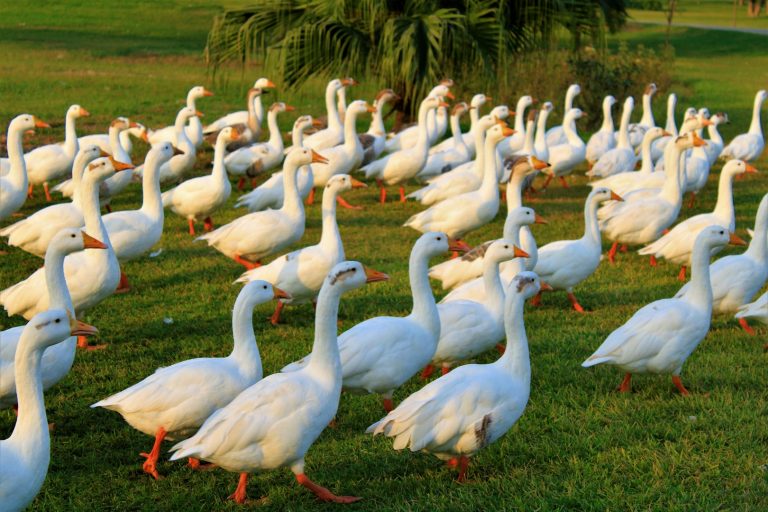
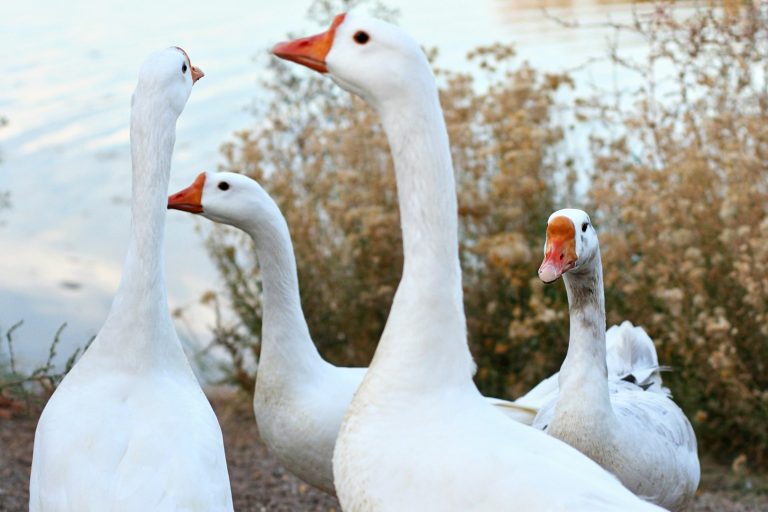
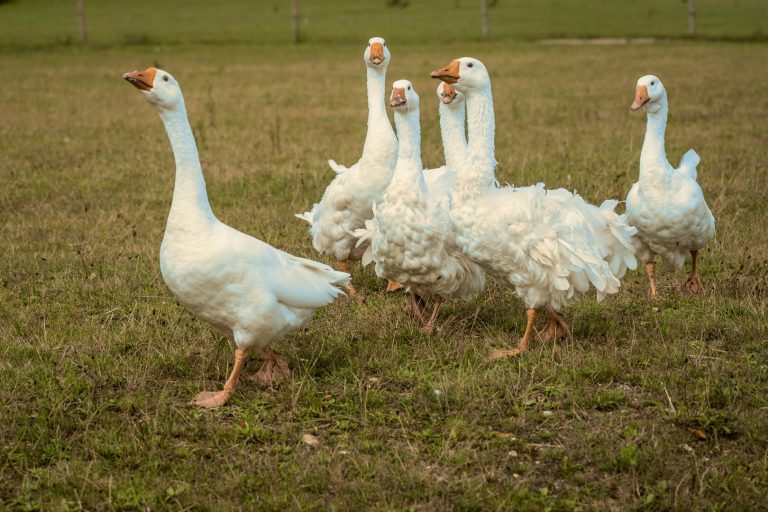
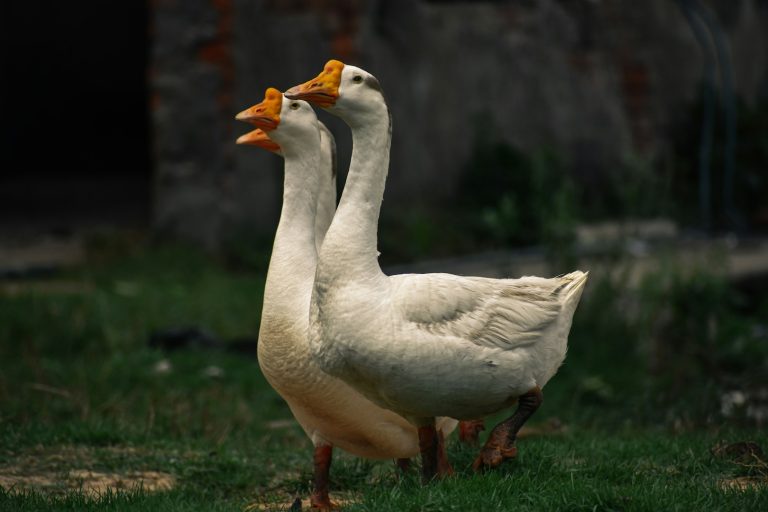
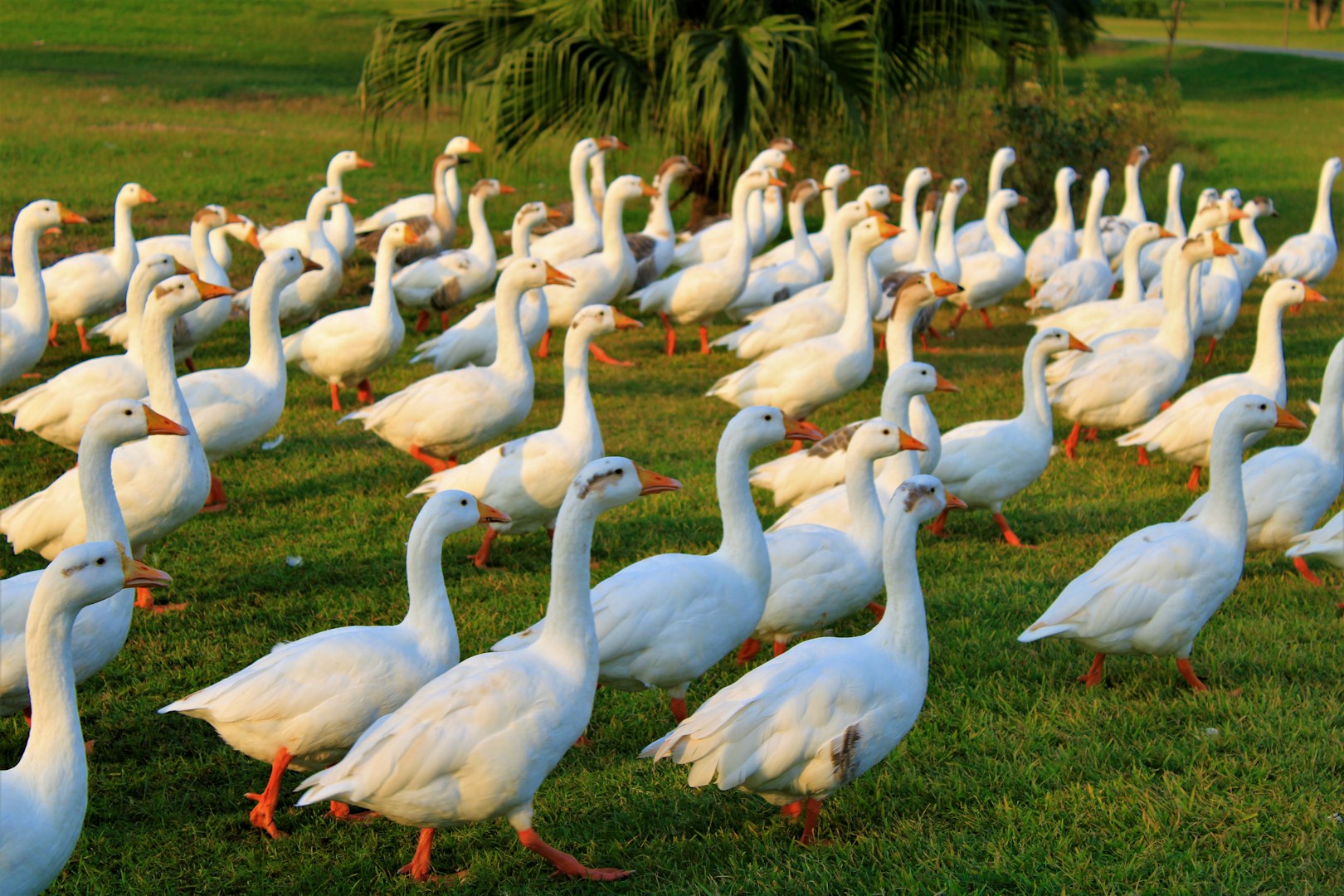
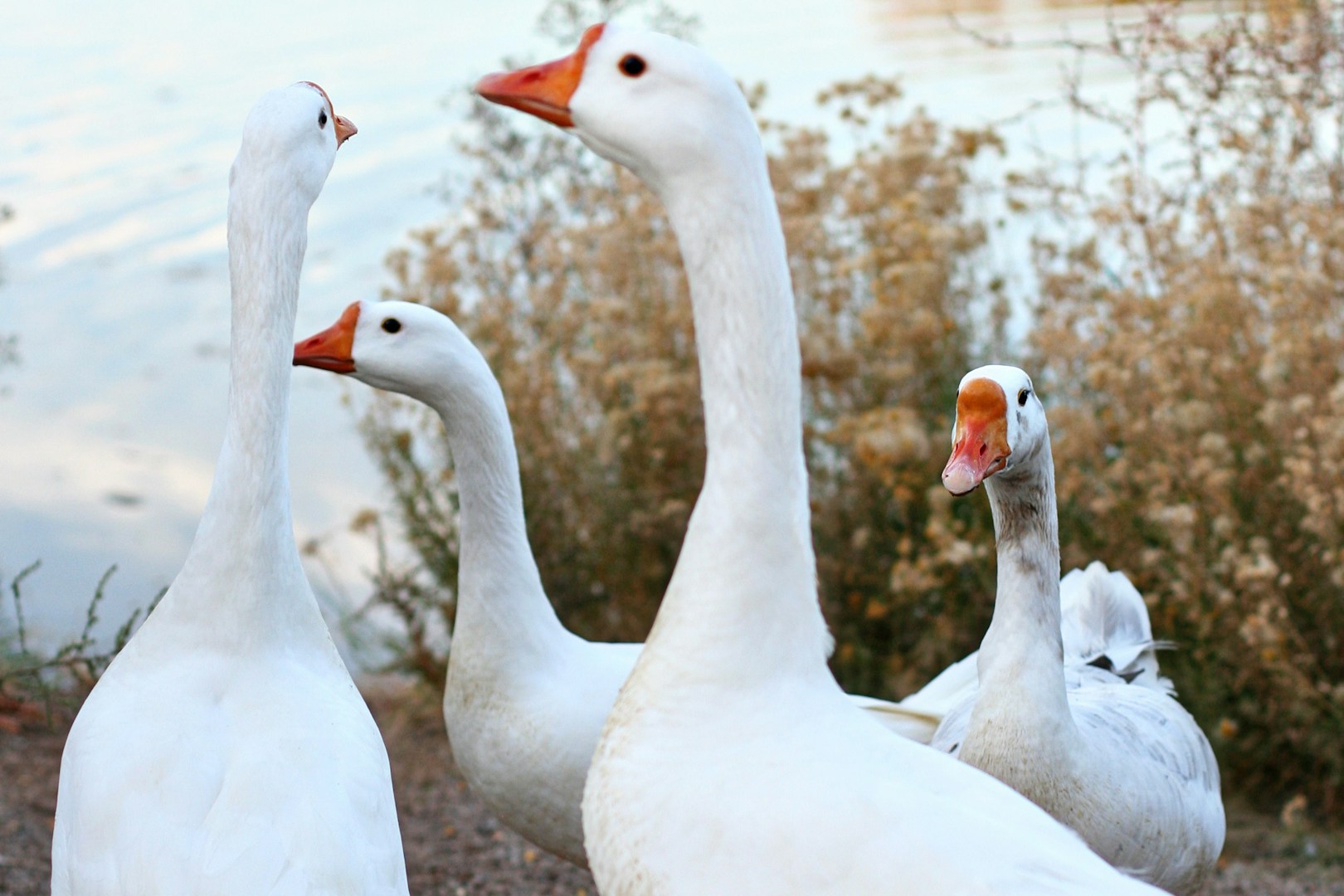
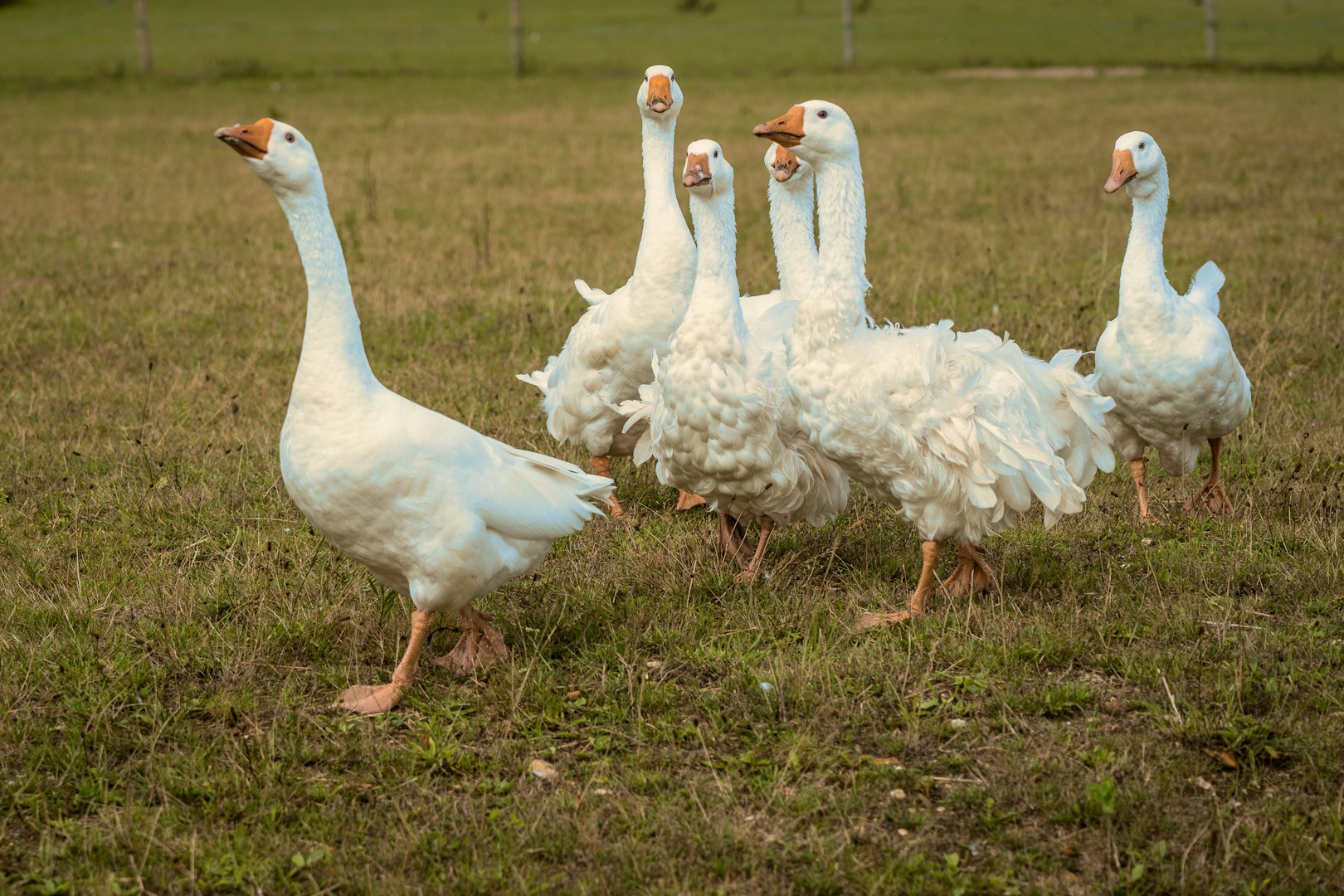
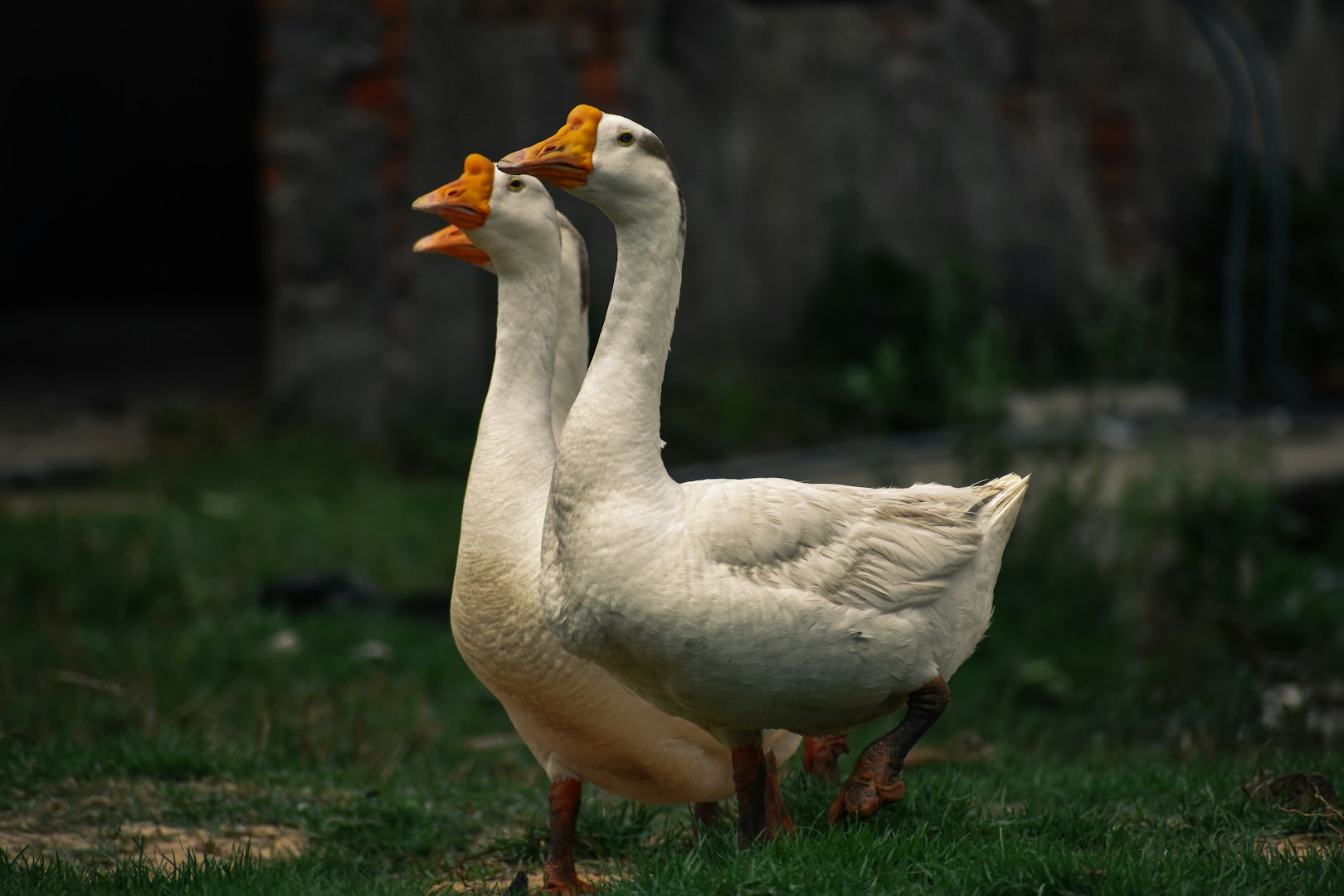
Geese are large, sturdy birds with long necks, webbed feet, and strong wings. Unlike chickens, they are grazers, preferring grass, weeds, and leafy greens over grains. They form tight-knit family bonds and are highly protective of their flock, often hissing or honking to warn of intruders. Some breeds, like the African or Toulouse goose, are known for their calm demeanor, while others, like the Roman or Chinese goose, are more vocal and alert. Geese are also long-lived, with some reaching 20 years or more with proper care.
How to Care for Backyard Geese
Shelter & Space
- Provide a secure, predator-proof coop or shed (6–10 sq. ft. per goose).
- Ensure access to a fenced yard or pasture (they need space to graze).
- Offer a kiddie pool or pond, geese love water for drinking and bathing.
Feeding & Water
- Their diet should be 80% fresh grass/weeds, supplement with poultry grains if pasture is limited.
- Avoid medicated feeds (toxic to geese) and provide grit for digestion.
- Always offer clean water, geese need it to swallow food properly.
Health & Hygiene
- Trim flight feathers if free-ranging isn’t an option.
- Check for mites and bumblefoot (a common foot infection).
- Provide shade in summer and straw bedding in winter (they’re hardy but appreciate shelter).
Challenges
- Noise – Geese are loud, which may bother neighbors.
- Mess – They produce large droppings (not ideal for small yards).
- Aggression – Some breeds can be territorial, especially during breeding season.
Benefits of Keeping Geese
Weed Control – Geese are natural grazers and will happily mow your lawn while leaving most garden plants untouched (they dislike bitter greens like tomatoes and peppers).
Security – Their loud honks and territorial nature make them excellent "watchdogs" against predators or trespassers.
Eggs & Meat – Goose eggs are richer and larger than chicken eggs (great for baking), and some breeds provide lean, flavorful meat.
Fertilizer – Their droppings are high in nitrogen, enriching soil for gardens and pastures.
Pest Control – They eat slugs, snails, and even small rodents, reducing garden pests naturally
Fun Facts About Geese


- Geese mate for life and mourn lost partners.
- They can fly up to 40 mph but are too heavy for long distances (most domestic geese don’t migrate).
- A goose’s honk can be heard over 2 miles away!
- Ancient Egyptians considered geese sacred and even mummified them