
The Helpful Hedgehog: Nature’s Pest Control
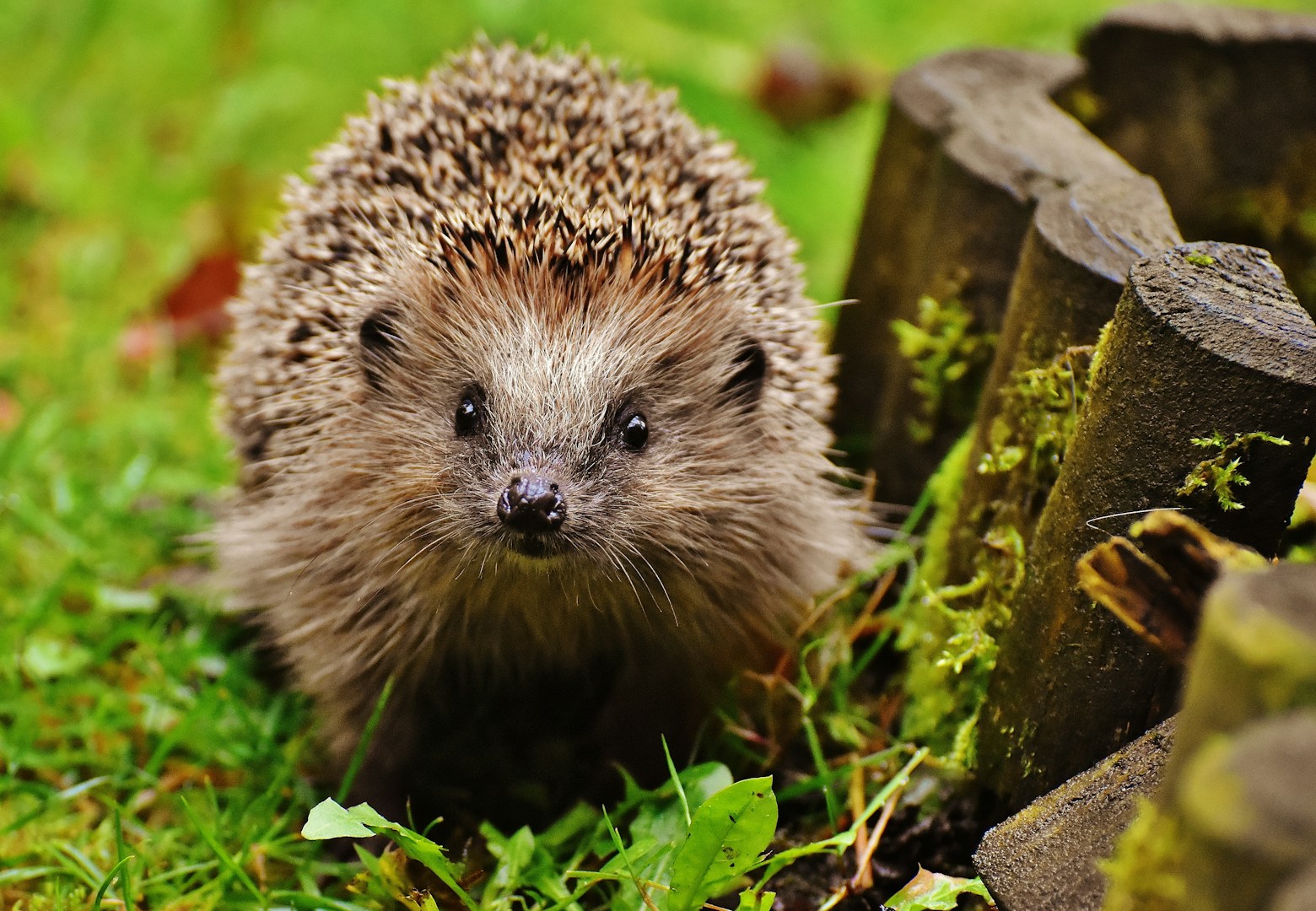
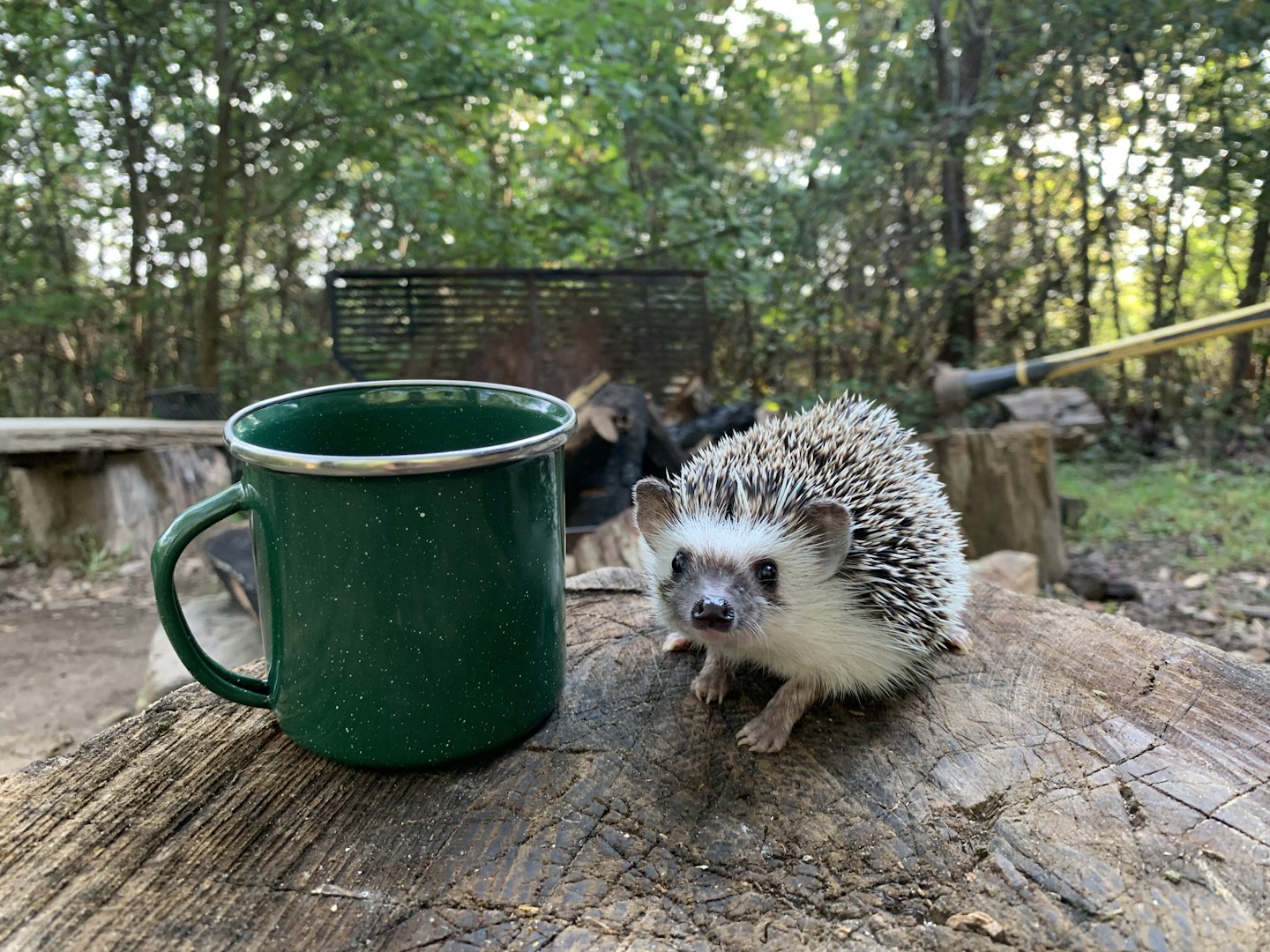
Hedgehogs are small, spiny mammals that are not only adorable but also incredibly useful to humans. Found in Europe, Asia, and Africa, these nocturnal creatures play an important role in controlling garden pests. With their keen sense of smell and appetite for insects, hedgehogs can naturally protect your yard from unwanted invaders.
Physical Characteristics and Behavior
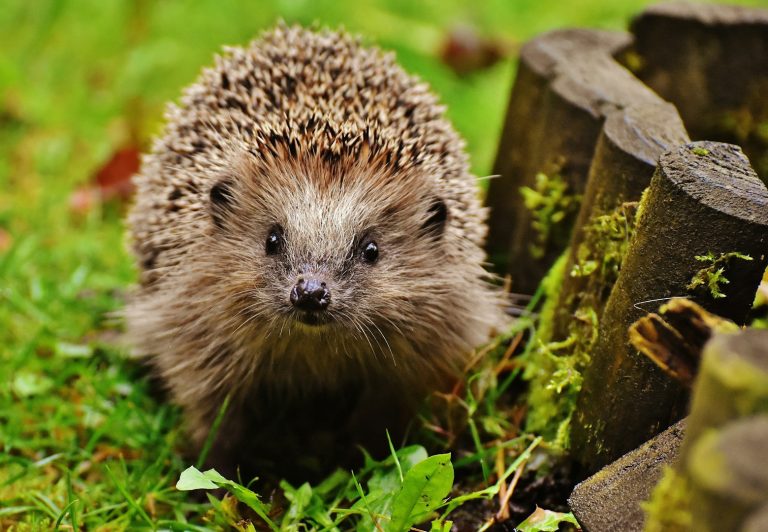
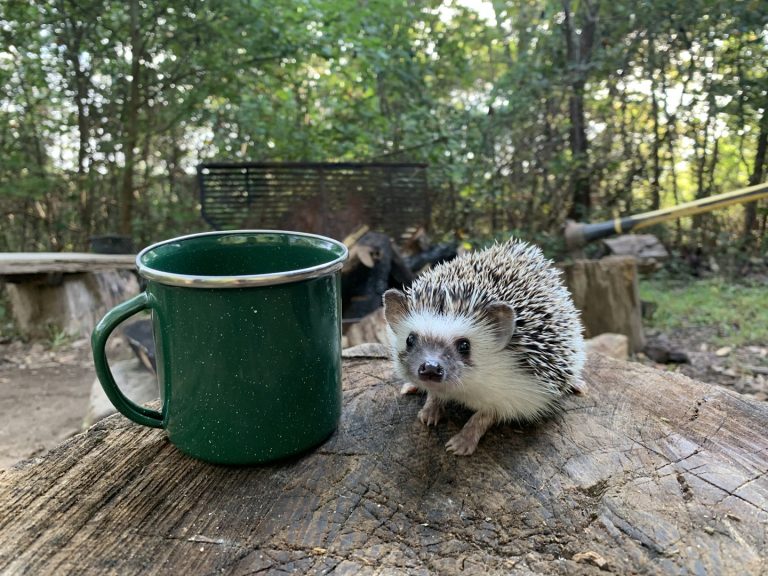
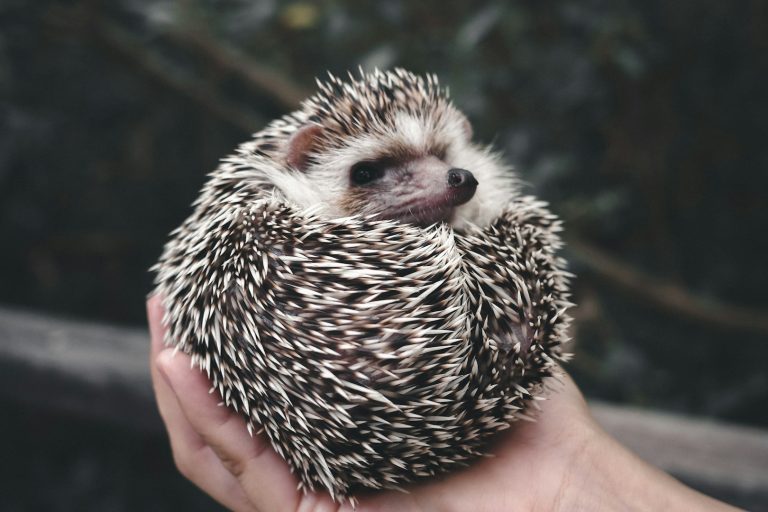
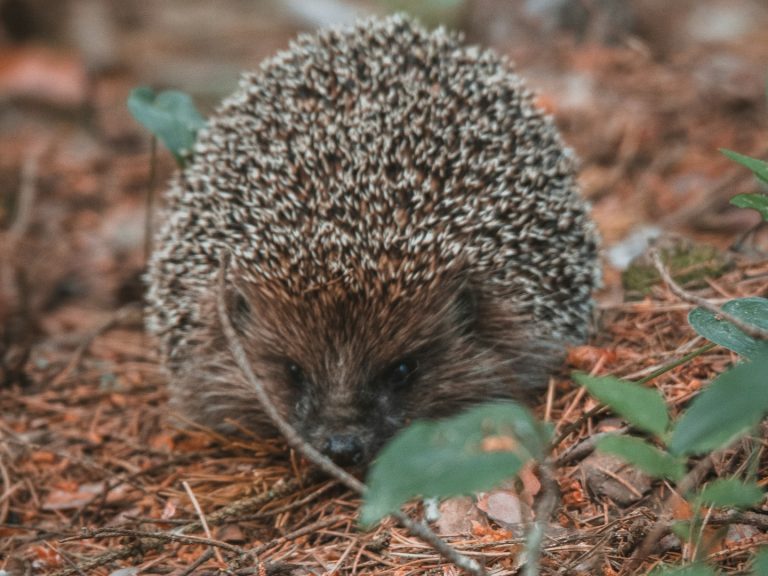
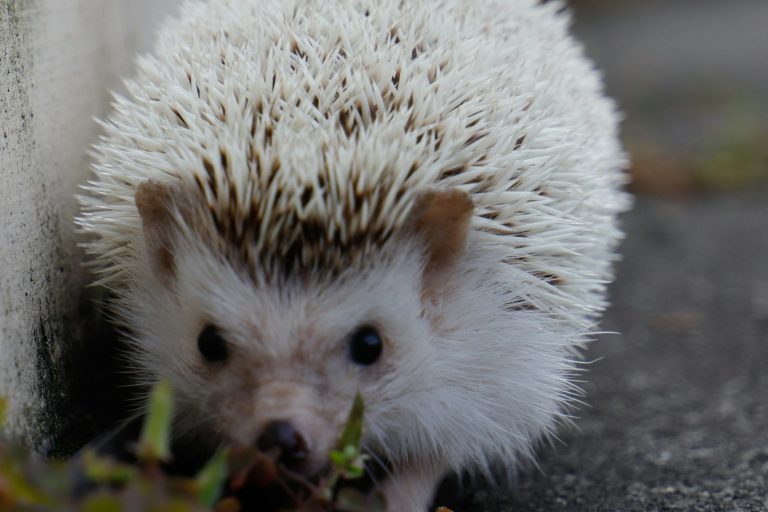
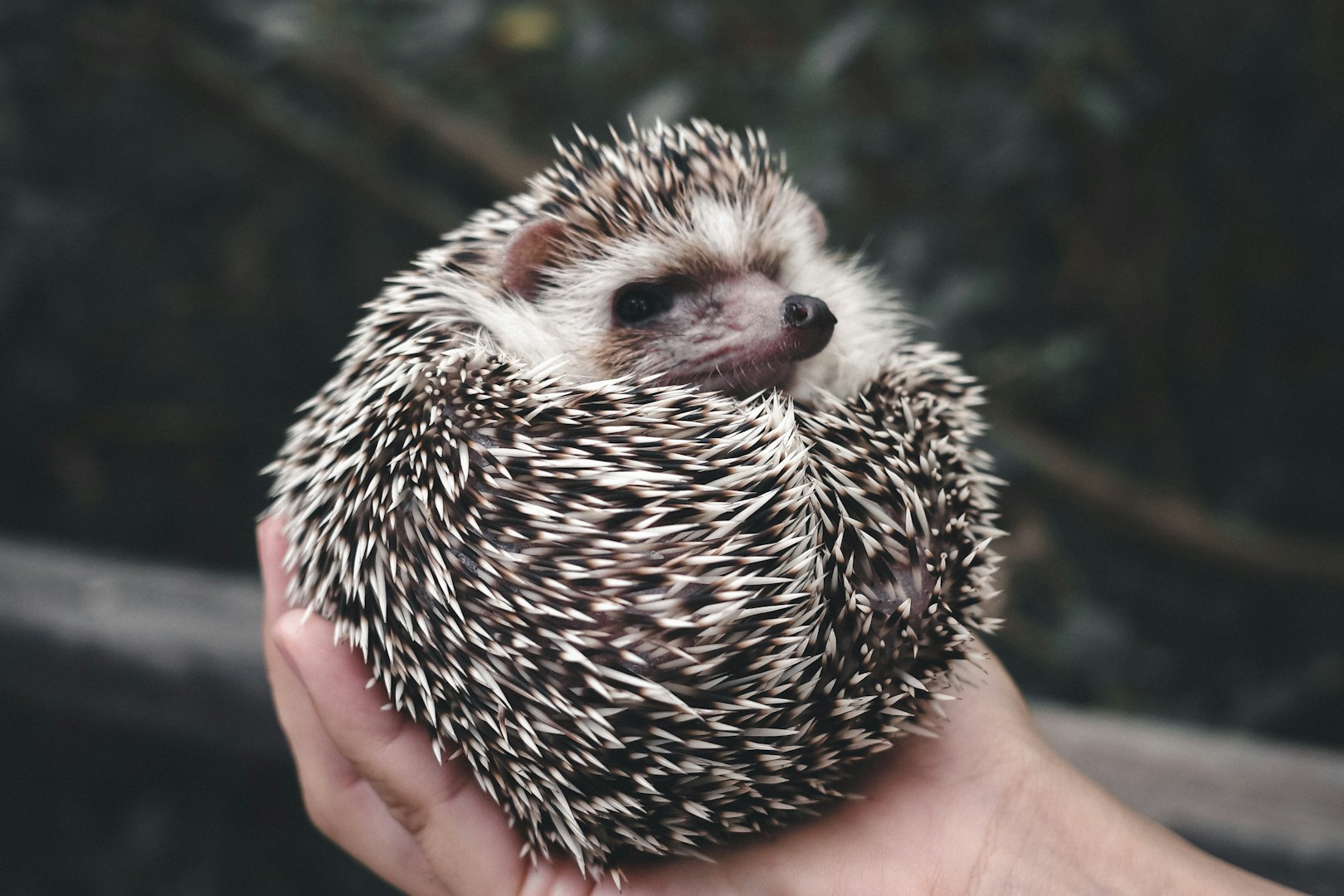
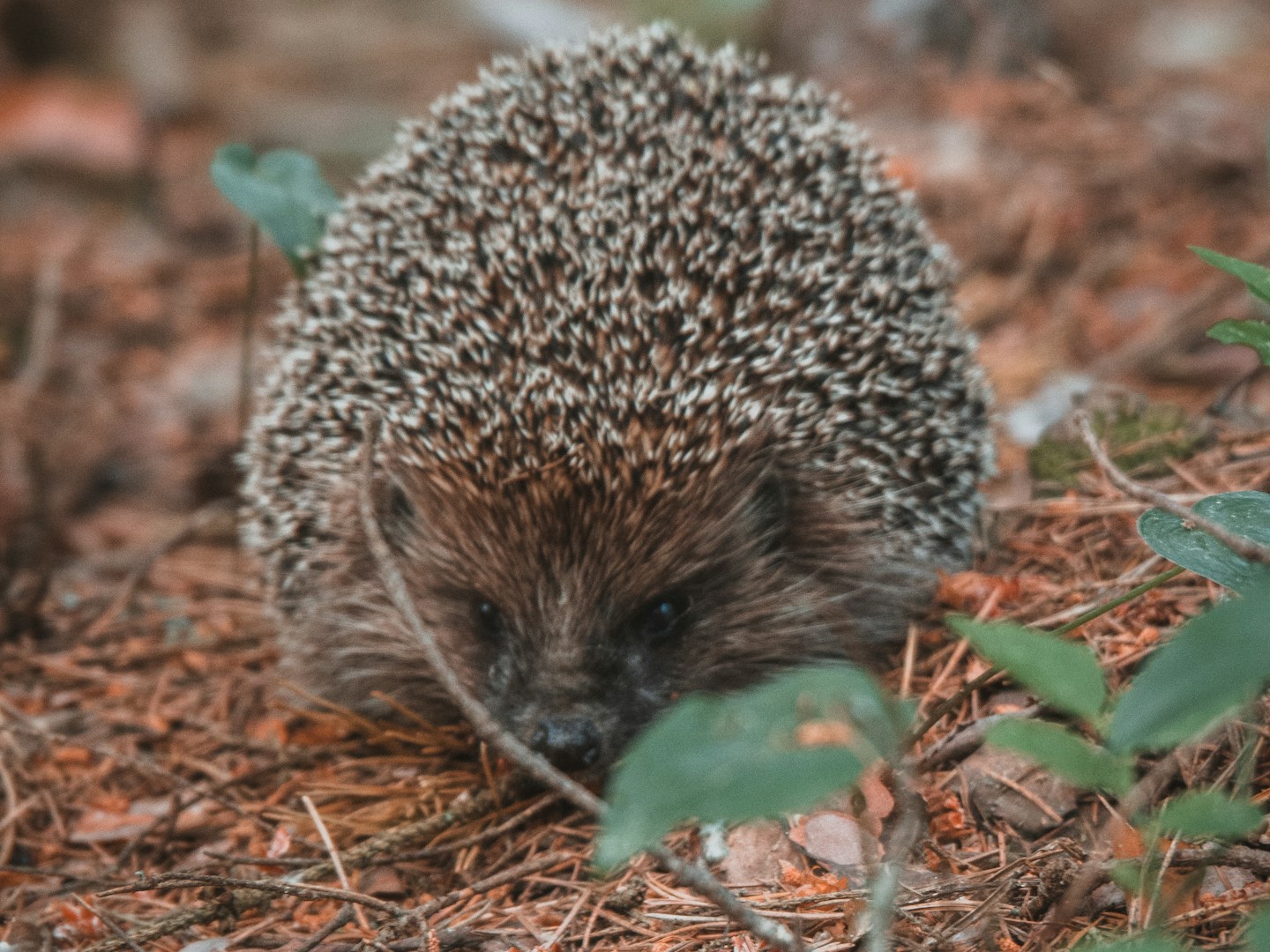
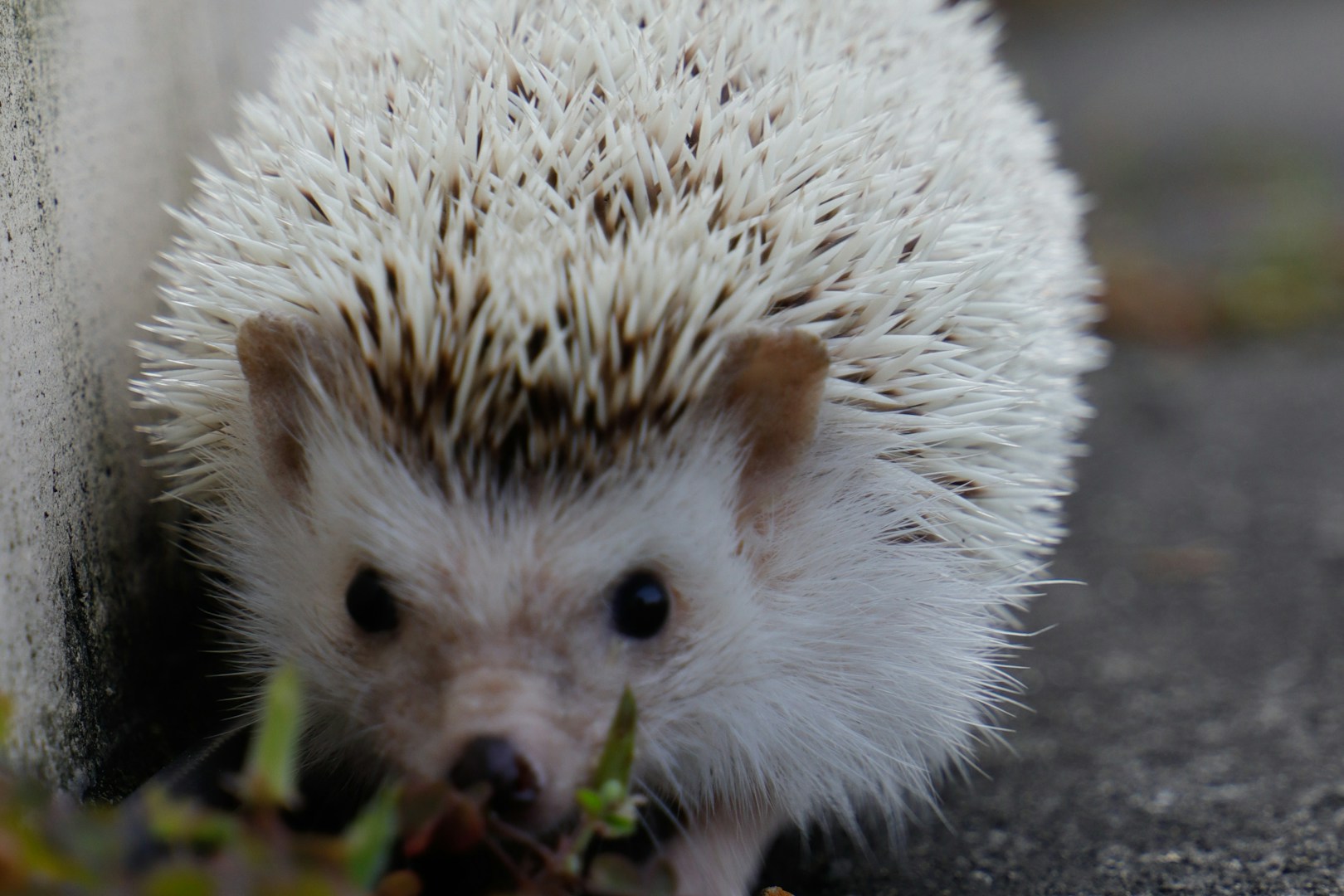
Hedgehogs are easily recognized by their sharp spines, which are actually modified hairs made of keratin, the same material as human fingernails. When threatened, they roll into a tight ball, protecting their soft underbelly from predators. These solitary animals are most active at night, using their strong sense of smell and hearing to hunt for food. Unlike many mammals, hedgehogs can hibernate in colder months to survive food shortages.
How to Attract Hedgehogs to Your Garden
To welcome hedgehogs into your yard, provide a safe and inviting environment. Leave small gaps in fences (not recommended because other animals could enter) so they can roam freely, avoid using slug pellets (which are poisonous to them), and leave out shallow dishes of water. Piles of leaves, logs, or a small hedgehog house can offer shelter. Planting native shrubs and keeping your garden a little wild will also attract insects, giving hedgehogs a steady food supply.
A Natural Pest Controller
One of the biggest benefits of having hedgehogs in your yard is their diet. They feast on insects, slugs, snails, and even small rodents, common pests that damage gardens and crops. A single hedgehog can eat up to 200 grams of insects per night, making them an eco-friendly alternative to chemical pesticides. By encouraging hedgehogs to visit your yard, you can reduce the need for harmful insecticides.
Curiosities About Hedgehogs
- Hedgehogs are immune to certain snake venoms!
- They have a unique behavior called "self-anointing," where they foam at the mouth and spread saliva on their spines, scientists still don’t fully understand why.
- Baby hedgehogs are called hoglets, and their spines are soft at birth.
- The oldest recorded hedgehog lived to be 16 years old.
Threats and Conservation
Despite their usefulness, hedgehog populations are declining due to habitat loss, road accidents, and pesticide use. Many countries now consider them a protected species. By creating hedgehog-friendly spaces and raising awareness, we can help these creatures thrive while keeping our gardens healthy.