
Ladybugs: Nature’s Tiny Guardians
With their bright red shells and cheerful black spots, ladybugs are among the most beloved insects in the world. But beyond their charming appearance, these tiny beetles are fierce predators of garden pests, making them a gardener’s best friend. A single ladybug can devour thousands of aphids in its lifetime, protecting plants naturally without the need for harmful chemicals. By understanding and supporting ladybugs, we can create healthier gardens and contribute to a balanced ecosystem
Physical Traits and Behavior
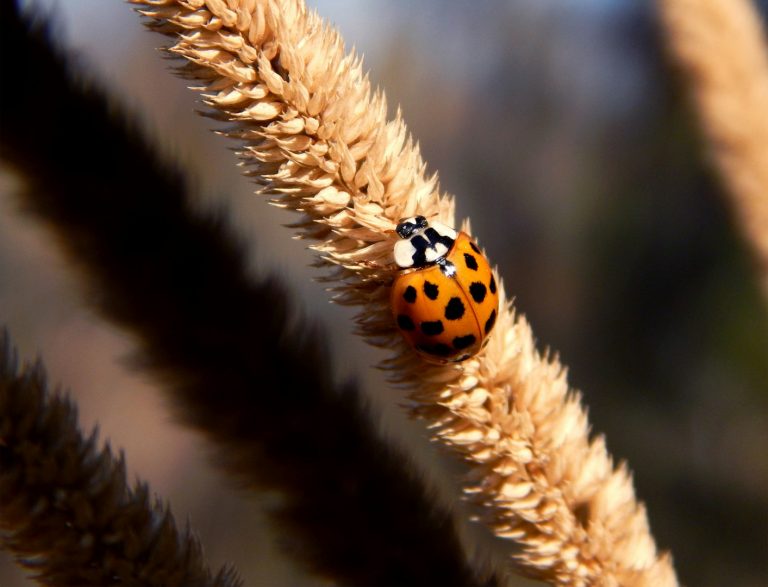
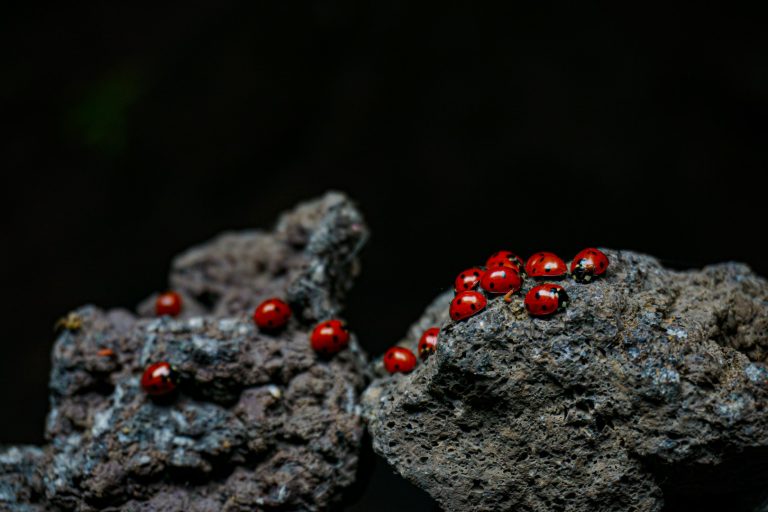
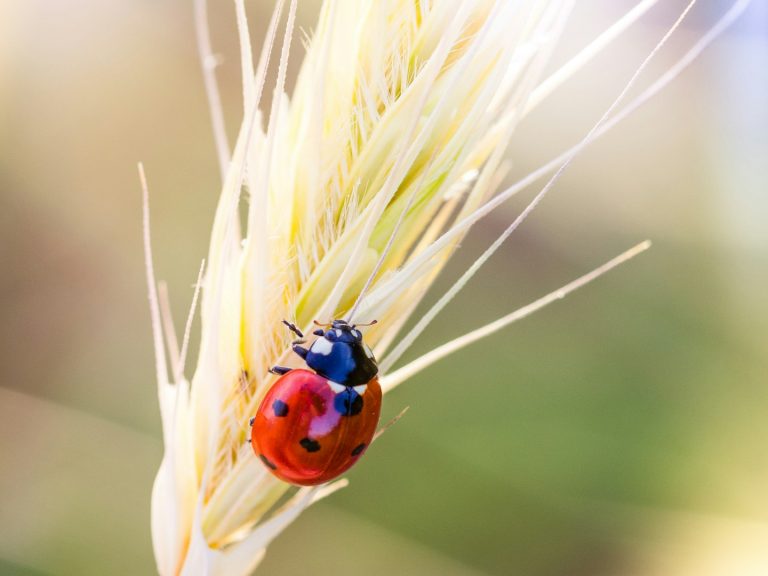
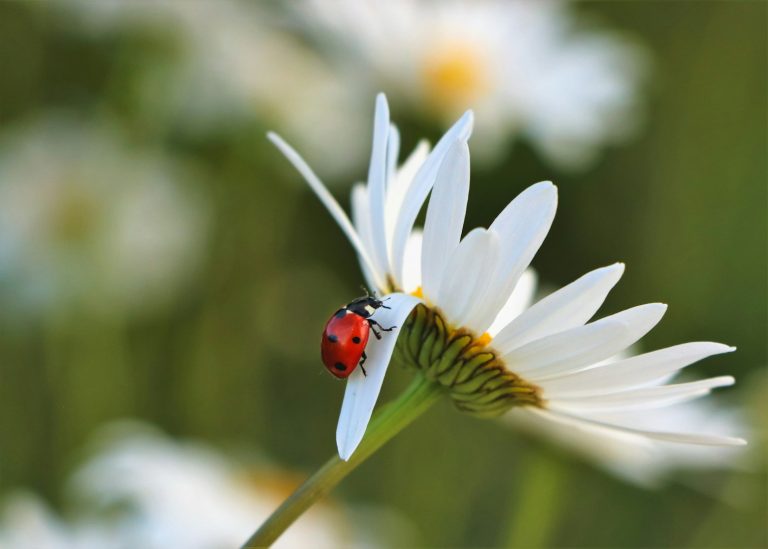
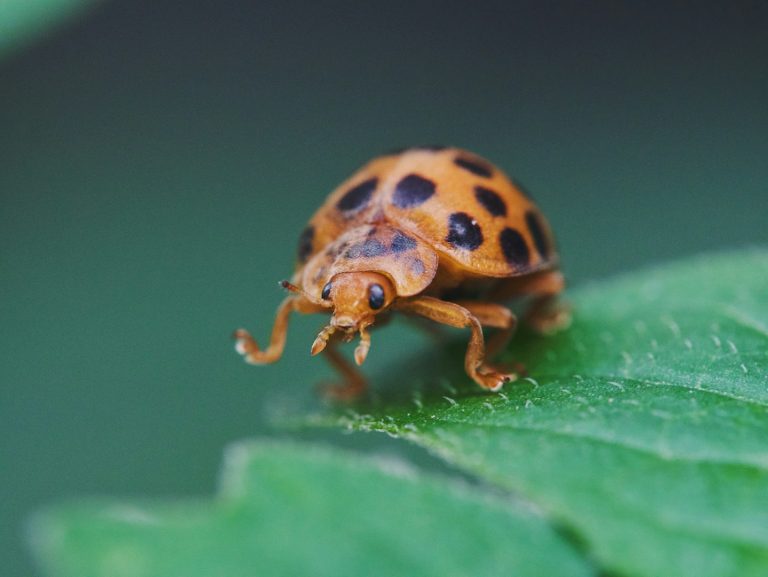
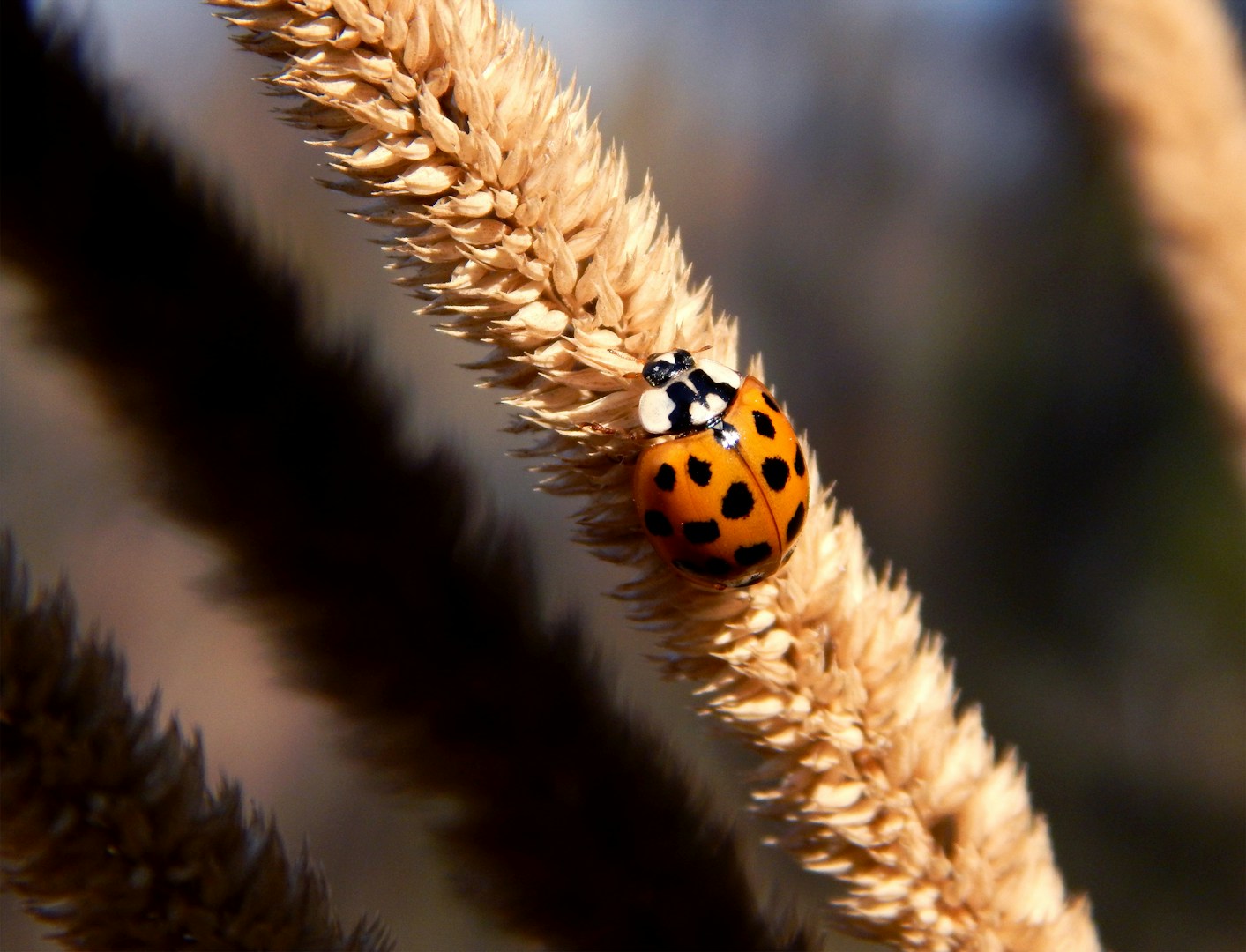
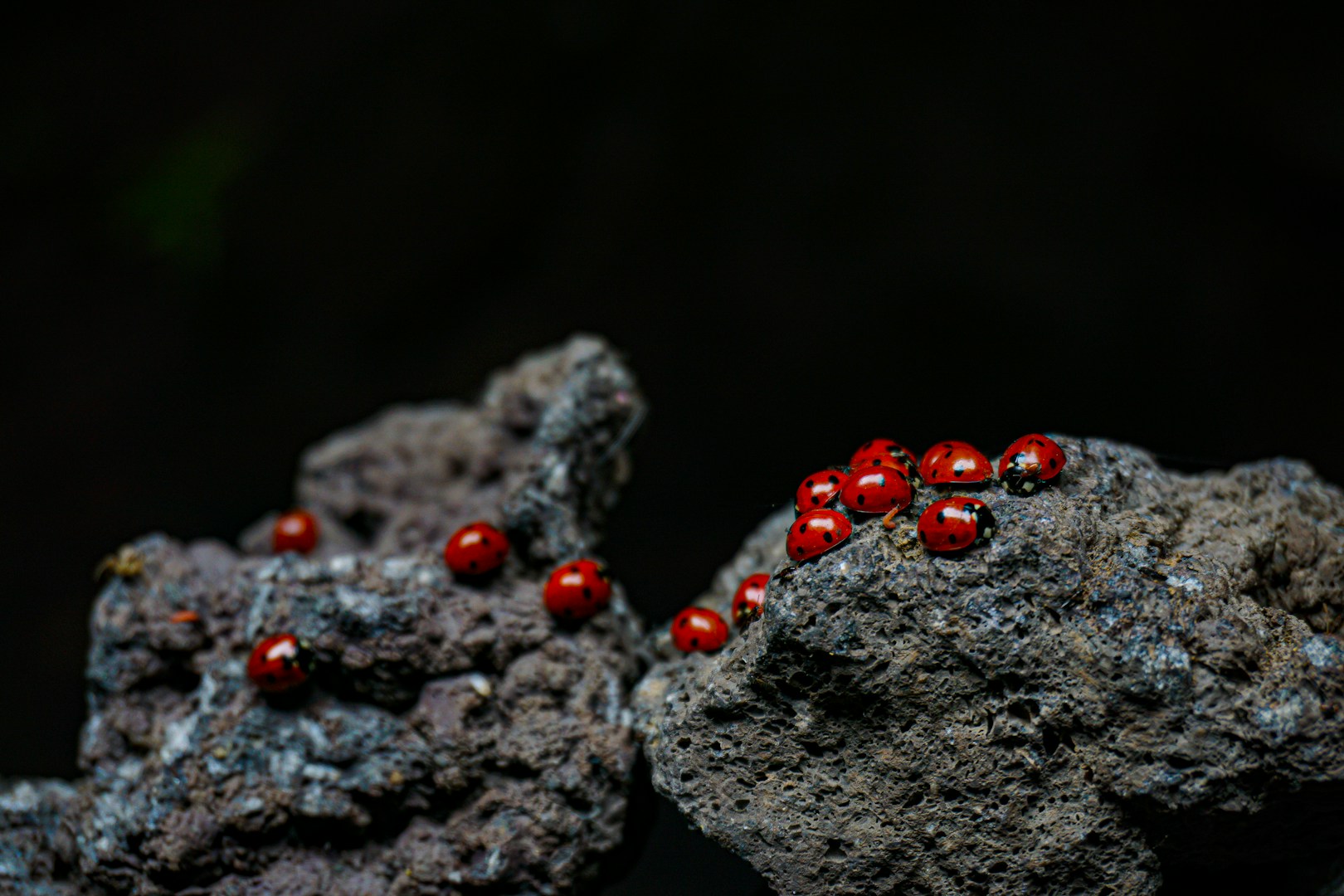
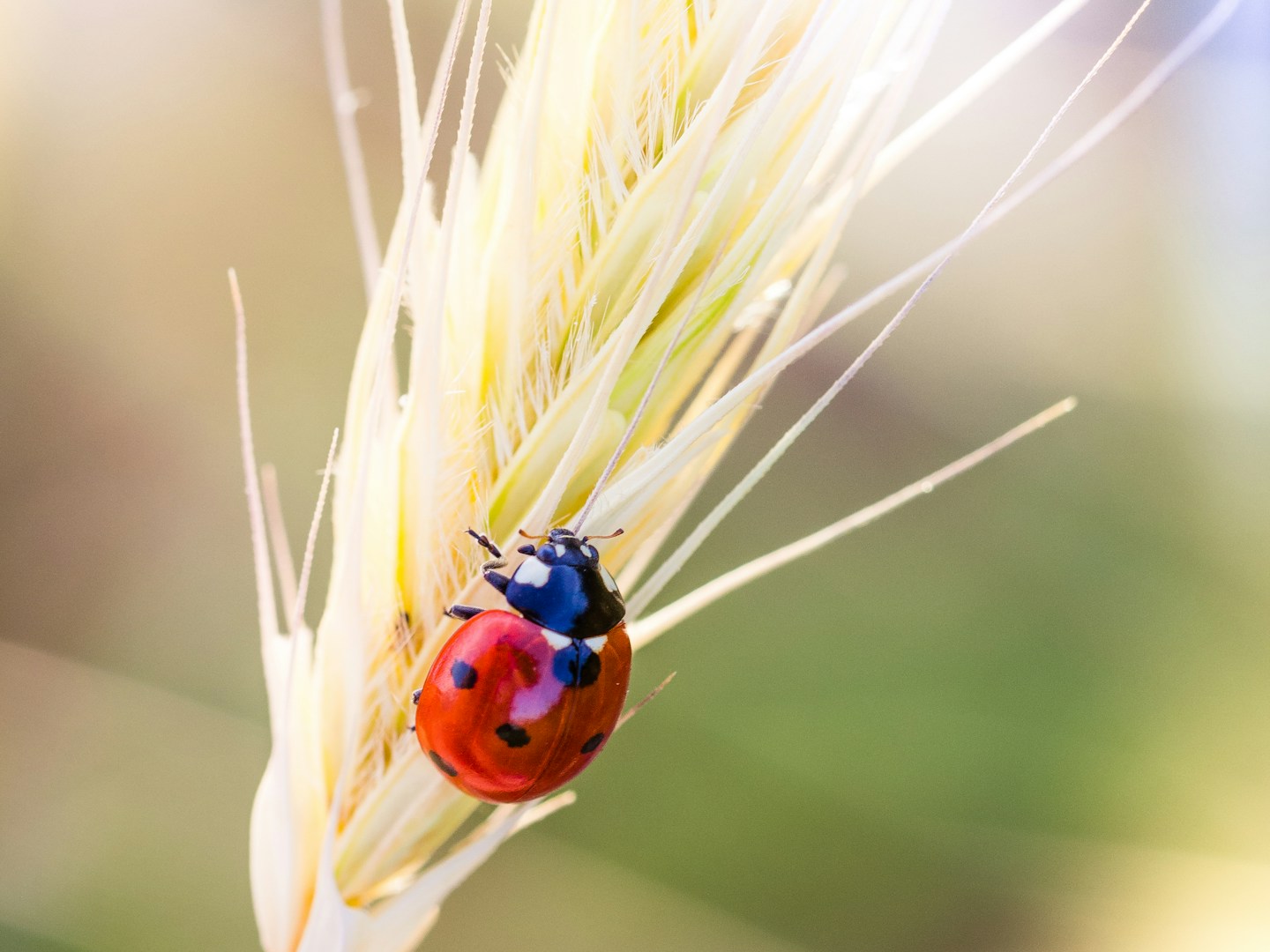
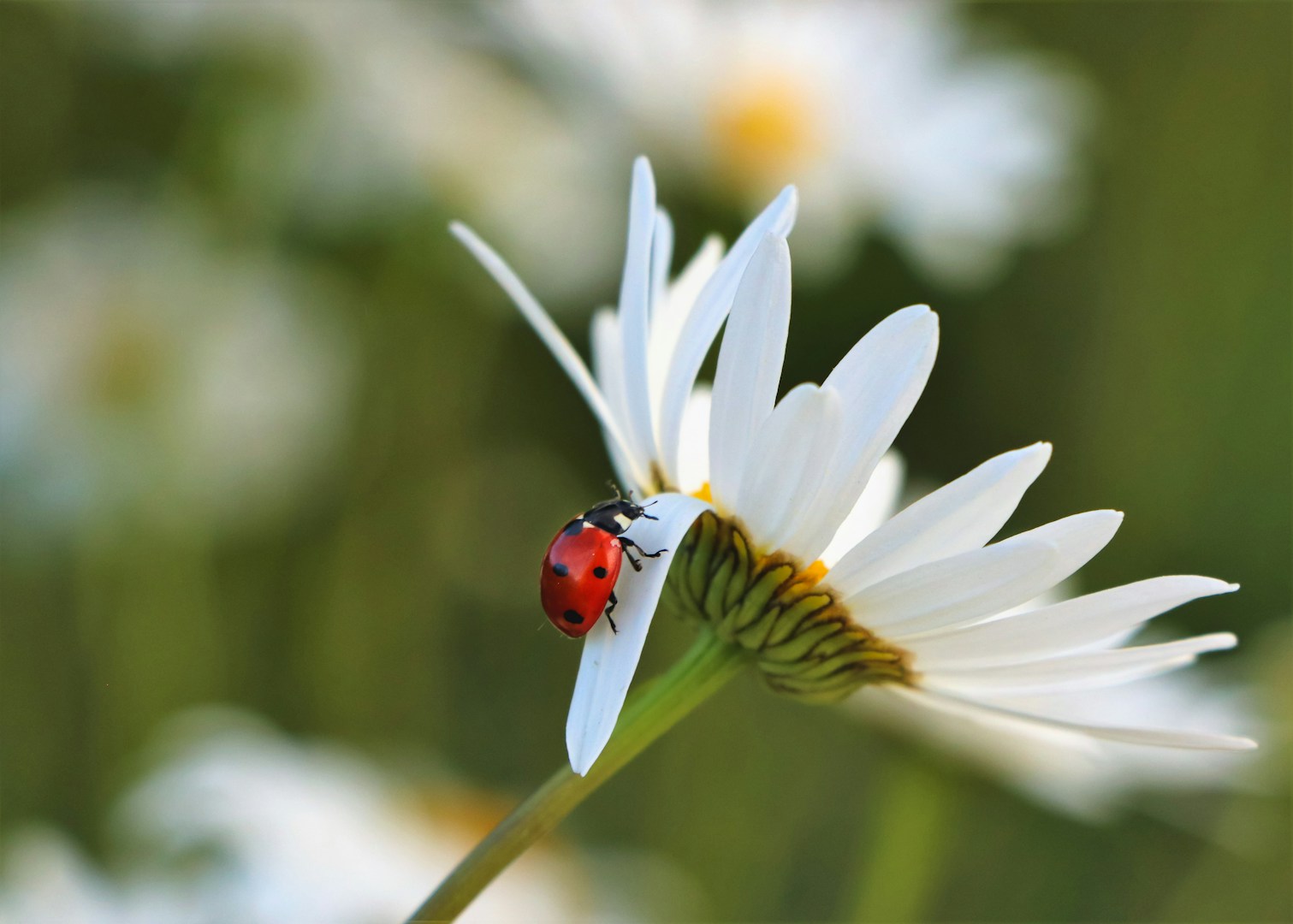
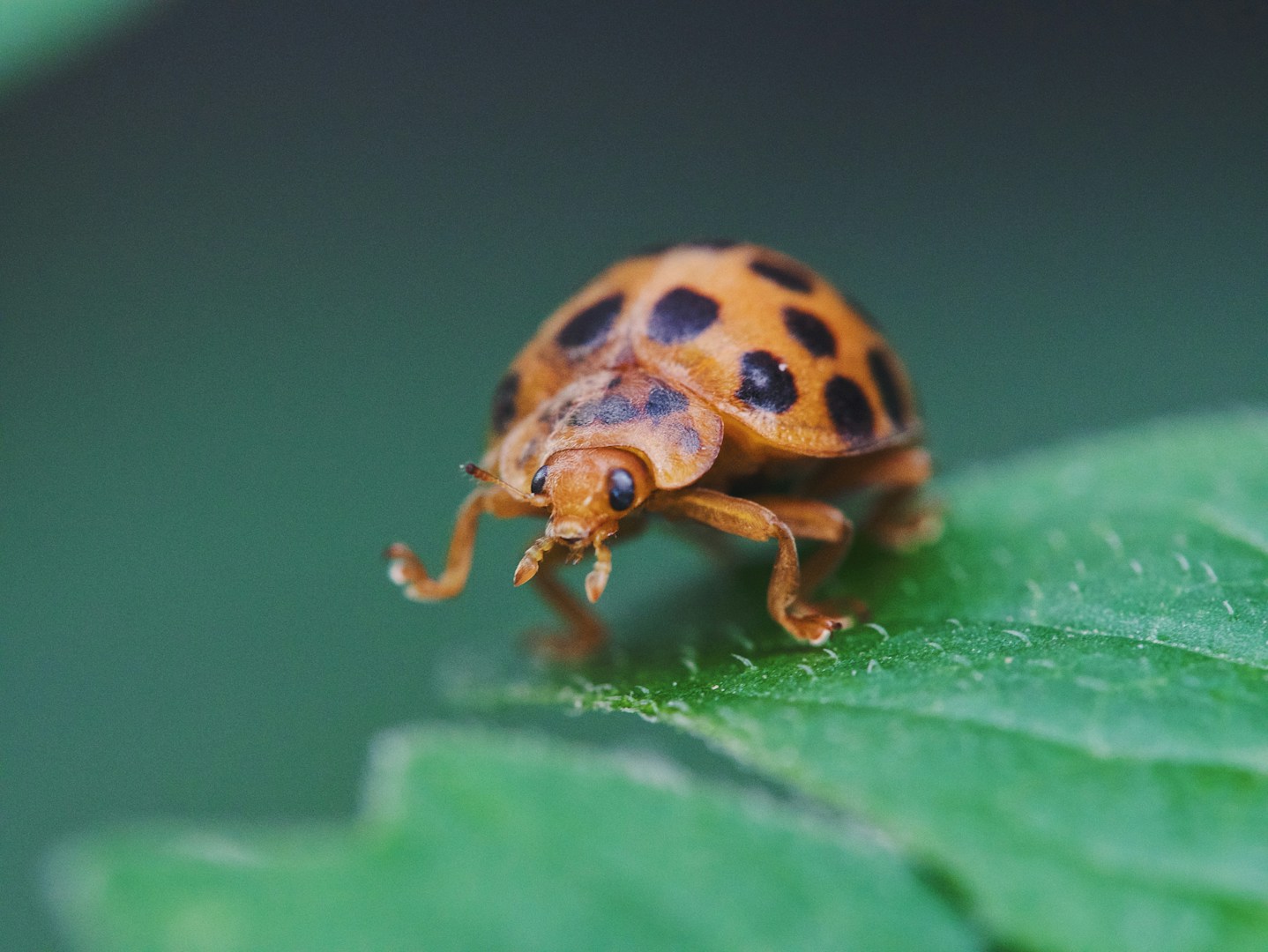
Ladybugs, also called ladybirds or lady beetles, are small, dome-shaped insects with hard wing covers that protect their delicate flying wings. Their bright colors, usually red or orange with black spots, serve as a warning to predators that they taste unpleasant. Ladybugs go through a fascinating life cycle, transforming from eggs to larvae (which look like tiny alligators) to pupae before becoming adults. They are most active in warm weather and often hibernate in large groups under leaves or inside cracks during winter.
How to Attract and Protect Ladybugs
To invite ladybugs into your garden:
Plant pollen-rich flowers like marigolds, dill, and yarrow, which provide nectar for adult ladybugs.
Avoid pesticides, which kill ladybugs along with pests.
Provide water by placing shallow dishes with pebbles for drinking.
Leave some aphids on plants—they’re a food source that encourages ladybugs to stay.
Buy native ladybugs (e.g., convergent lady beetles) for release, as invasive species can disrupt ecosystems.
Benefits of Ladybugs in the Garden
Ladybugs are voracious eaters of soft-bodied pests like aphids, mealybugs, and mites, insects that can destroy crops and ornamental plants. A single ladybug larva can consume up to 400 aphids before reaching adulthood! Unlike chemical pesticides, ladybugs target only harmful insects, leaving pollinators like bees unharmed. They also help pollinate plants as they move from flower to flower. By releasing or attracting ladybugs to your garden, you gain a natural, eco-friendly pest control squad.
Curiosities About Ladybugs
- A ladybug’s spots fade as it ages, counting them doesn’t reveal its true age!
- When threatened, they secrete a foul-smelling yellow fluid from their legs to deter predators.
- In many cultures, ladybugs symbolize good luck, farmers once believed they were gifts from the Virgin Mary ("Lady" in their name).
- There are over 5,000 species worldwide, including orange, yellow, and even black varieties.
Challenges and Conservation
Despite their resilience, ladybug populations face threats from habitat loss, pollution, and climate change. Some native species, like the nine-spotted ladybug, have declined dramatically. To help, gardeners can create "ladybug hotels" from hollow stems or wood piles, avoid chemical sprays, and plant diverse gardens to support their life cycle. Citizen science projects, like the Lost Ladybug Project, also track populations to aid conservation efforts.