
Owls: The Silent Guardians
Owls are mysterious, nocturnal birds of prey that have fascinated humans for centuries. With their haunting calls, silent flight, and keen hunting skills, they play a crucial role in maintaining ecological balance. For farmers and gardeners, owls are nature’s pest control, keeping rodent populations in check without the need for harmful chemicals. By attracting owls to your property, you can create a healthier, more sustainable environment.
Physical Traits and Behavior
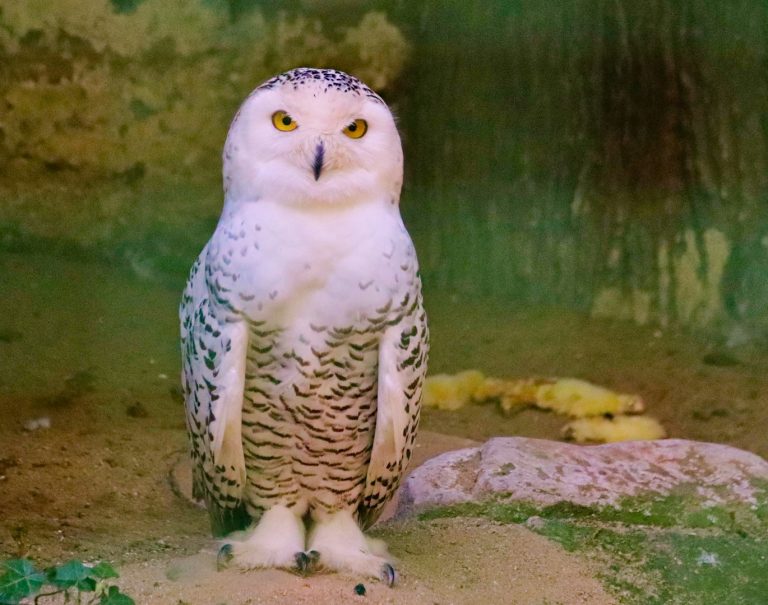
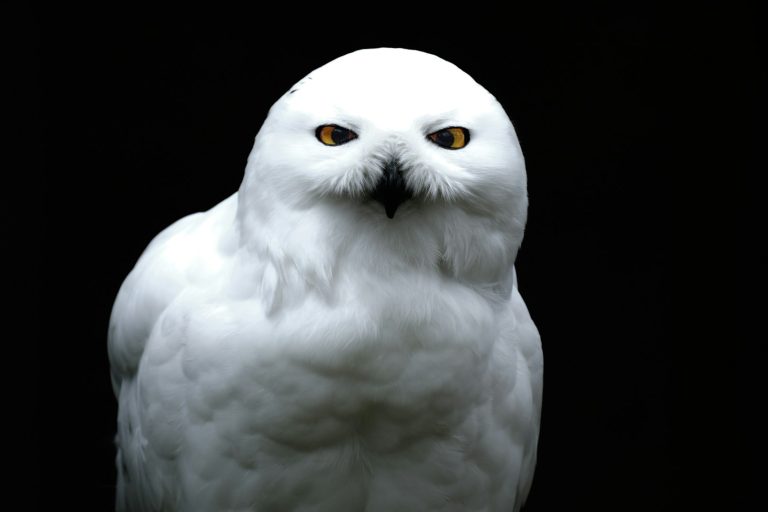
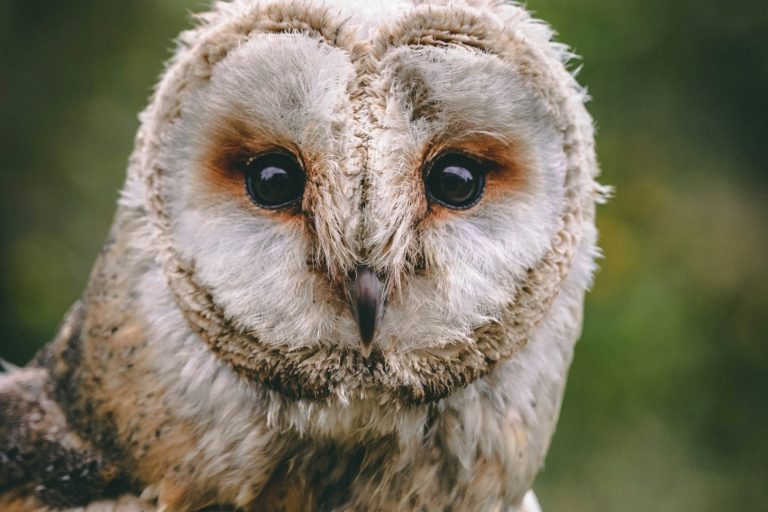
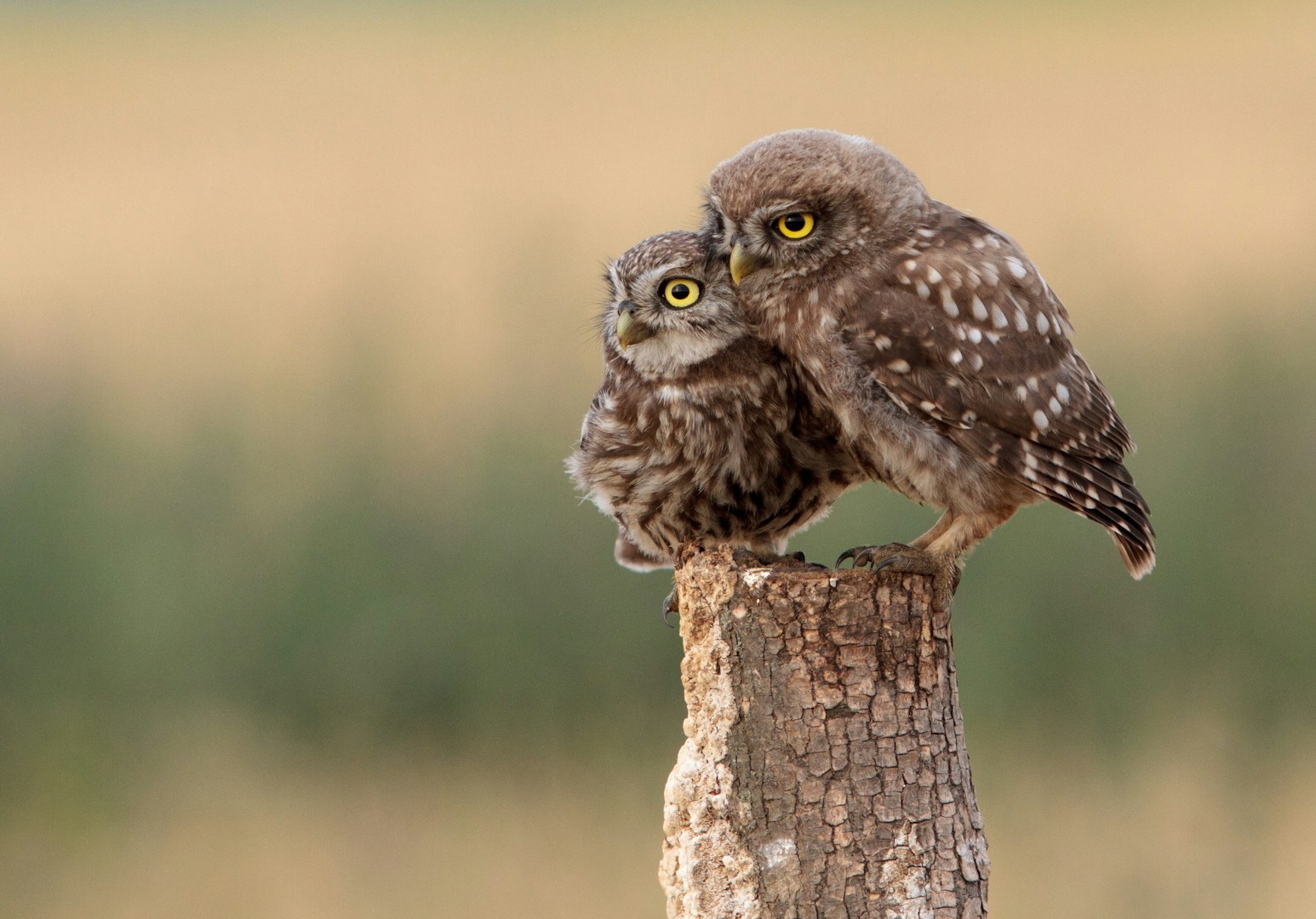
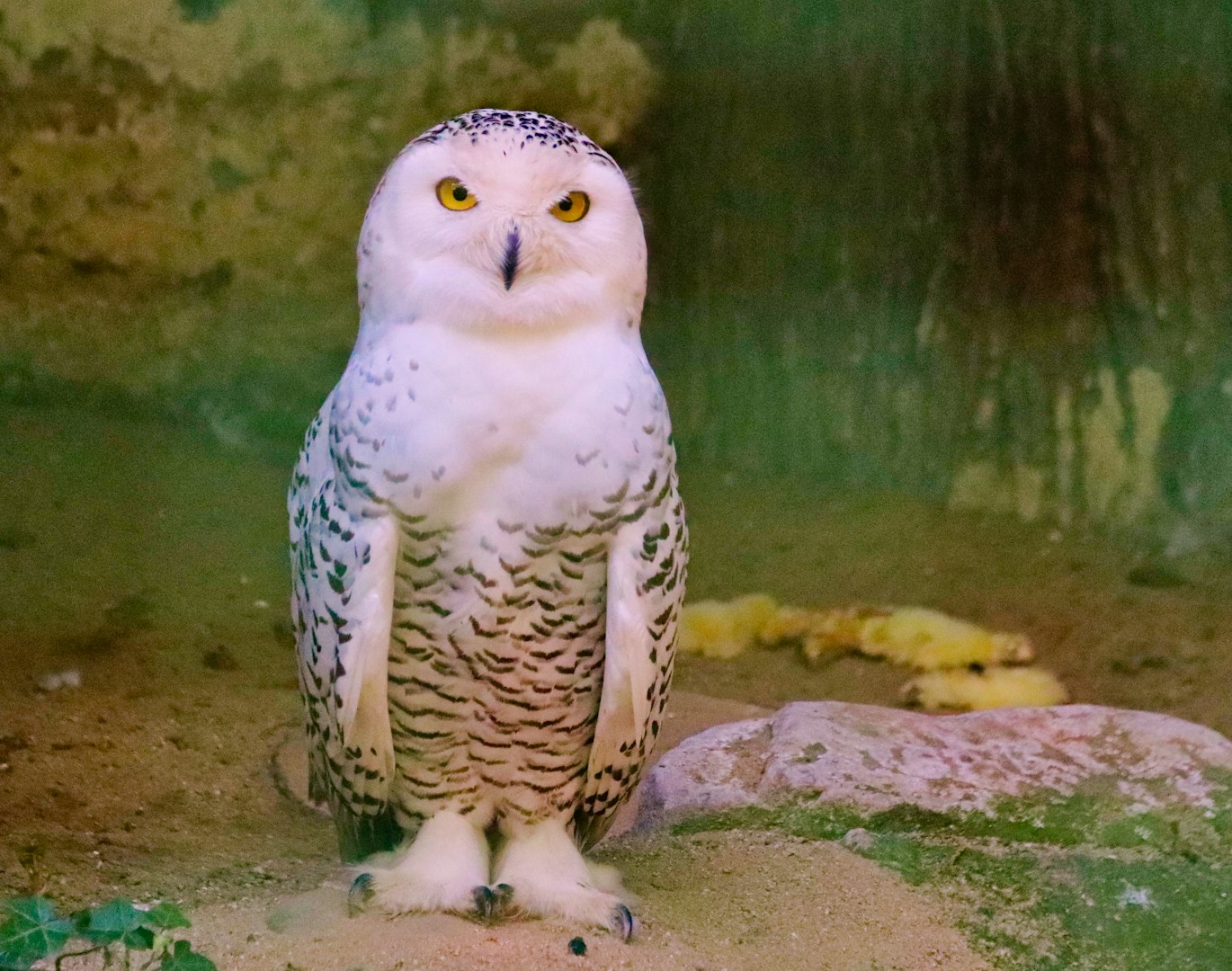
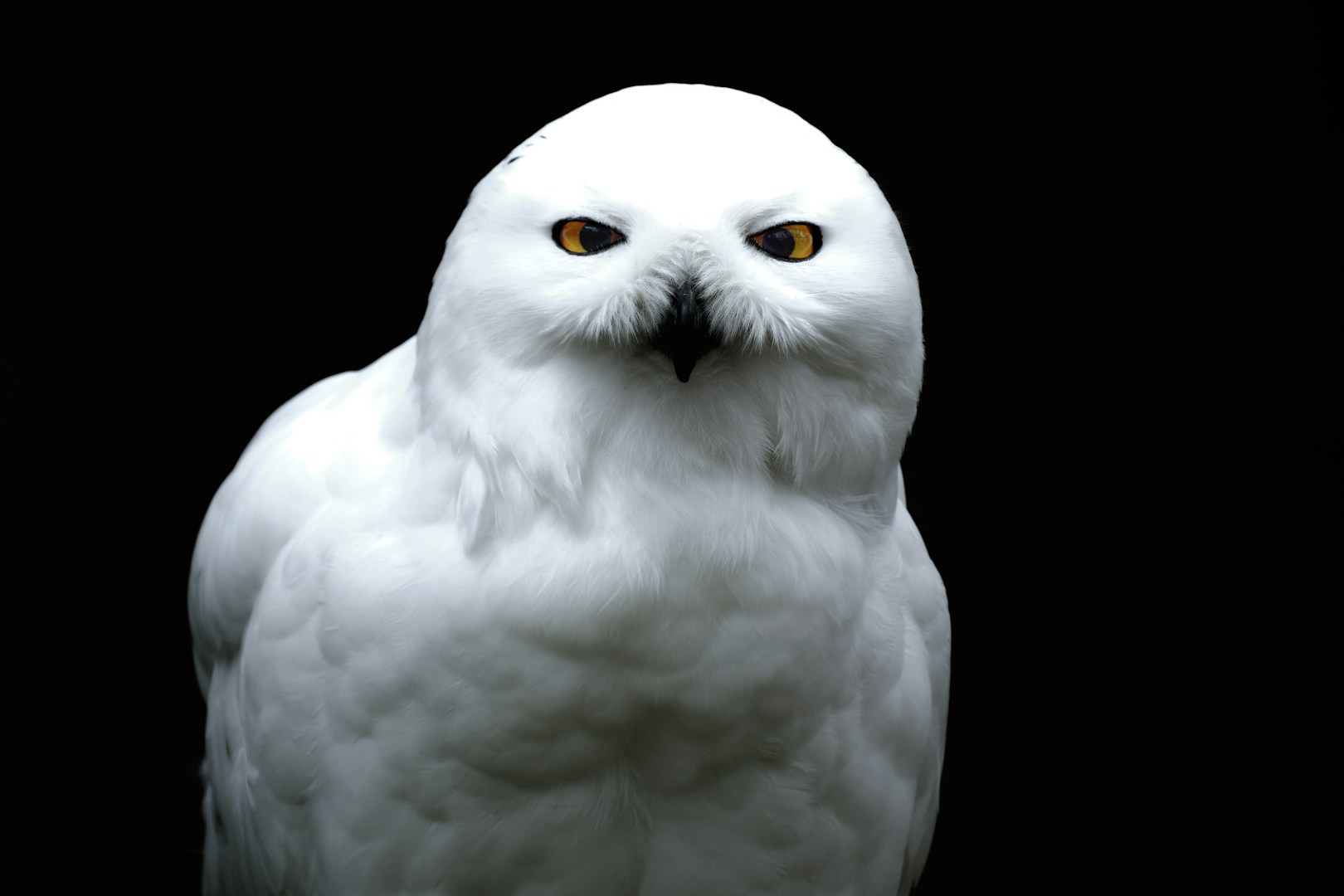
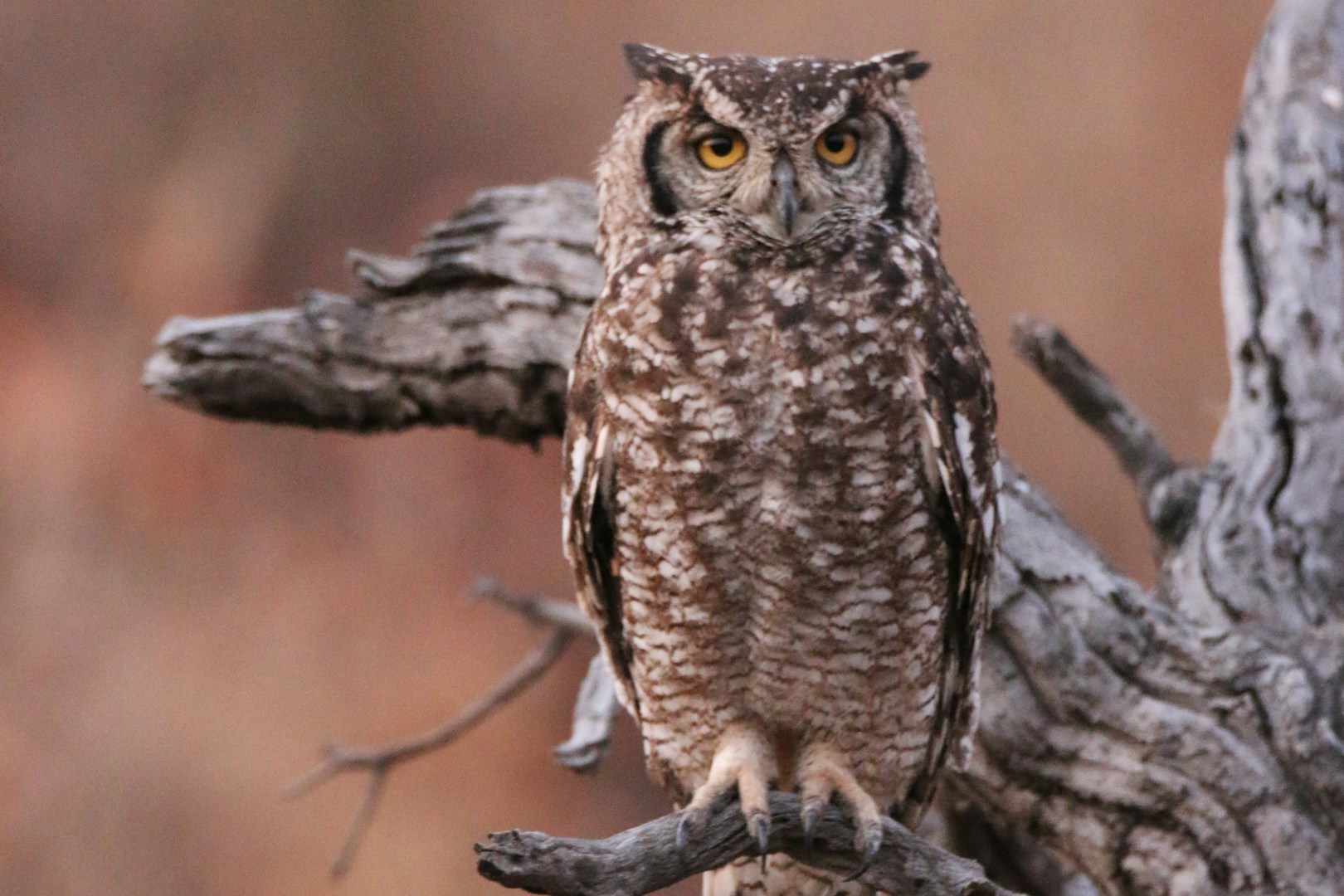
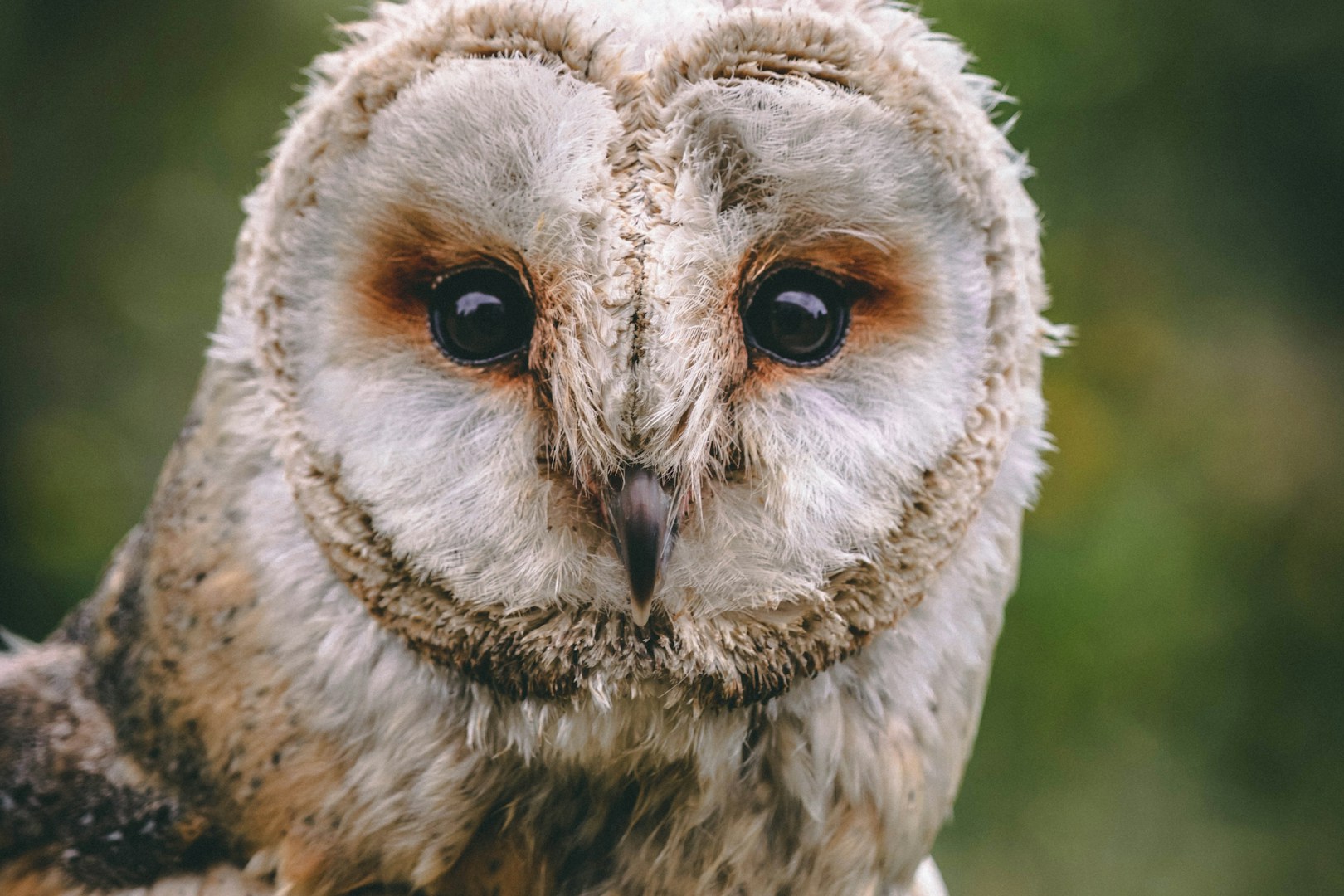
Owls are easily recognized by their large, forward-facing eyes, sharp talons, and distinctive facial discs that funnel sound to their ears. Their feathers are specially adapted for silent flight, allowing them to swoop down on prey undetected. Most owls are nocturnal, hunting at night and resting during the day in trees, barns, or specially built nest boxes. They have incredible hearing and vision, making them expert hunters even in complete darkness.
How to Attract Owls to Your Property
To encourage owls to take up residence, provide shelter and hunting grounds:
Install nest boxes (different species prefer different designs).
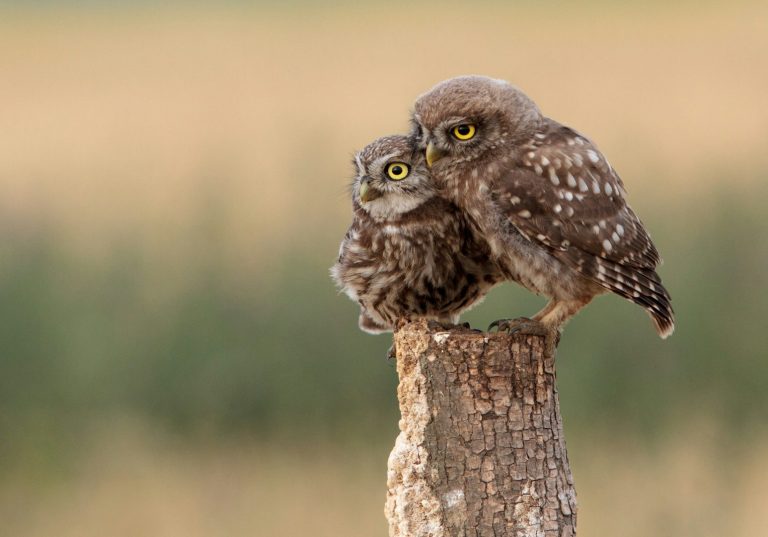
Preserve tall trees or wooden poles for perching and nesting.
Avoid rodenticides, which can poison owls when they eat contaminated prey.
Leave grassy or brushy areas to support small mammals, their primary food source.
Owls as Natural Pest Control
One of the greatest benefits of owls is their appetite for rodents. A single barn owl can consume over 1,000 mice per year, making them far more effective than traps or poisons. They also eat insects, voles, and even small rabbits, protecting crops and gardens from damage. Unlike chemical pesticides, owls leave no harmful residues and work for free, simply by existing in their natural habitat.
Curiosities About Owls
- Owls can turn their heads 270 degrees, almost all the way around!
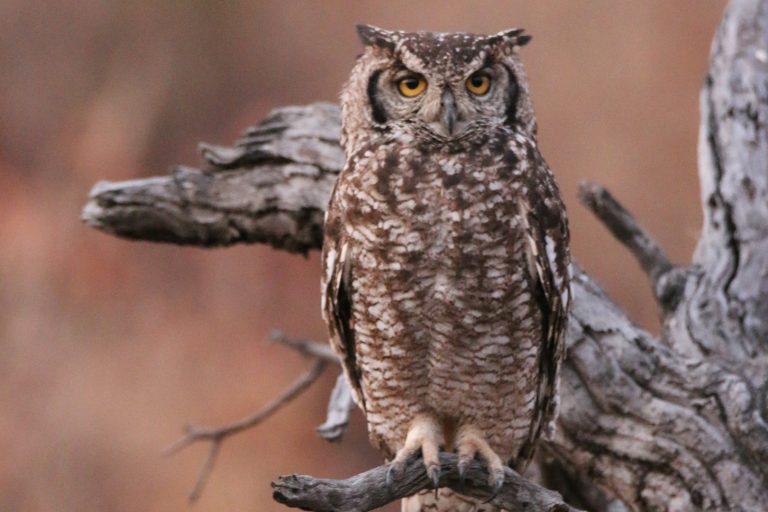
- Some species, like the great horned owl, can hunt prey larger than themselves.
- Unlike most birds, owls have asymmetrical ears, helping them pinpoint sounds with incredible accuracy.
- In many cultures, owls symbolize wisdom, but some traditions associate them with mystery or omens.
Challenges and Conservation
While owls are incredibly helpful, they face threats from habitat loss, vehicle collisions, and secondary poisoning from rodenticides. Some species, like the barn owl, are declining in certain regions. By protecting natural habitats and using owl-friendly pest control methods, we can help these magnificent birds thrive while reaping their benefits.