
The Rabbit: A Garden Friend with a Wild Cousin
Rabbits are small, furry mammals known for their long ears, powerful hind legs, and playful nature. Often kept as pets or found in the wild, rabbits play an important role in ecosystems by spreading seeds and providing food for predators. However, they are sometimes confused with their close relatives, hares. While they may look similar, rabbits and hares have key differences in behavior, biology, and habitat.
Physical Characteristics and Behavior
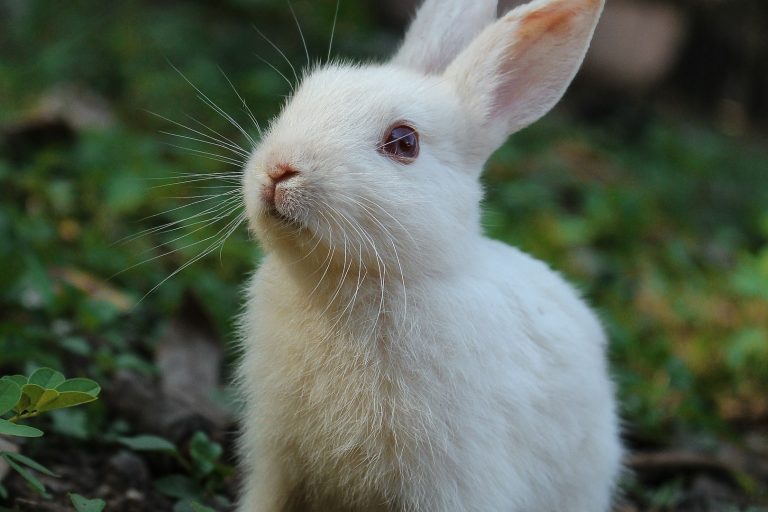
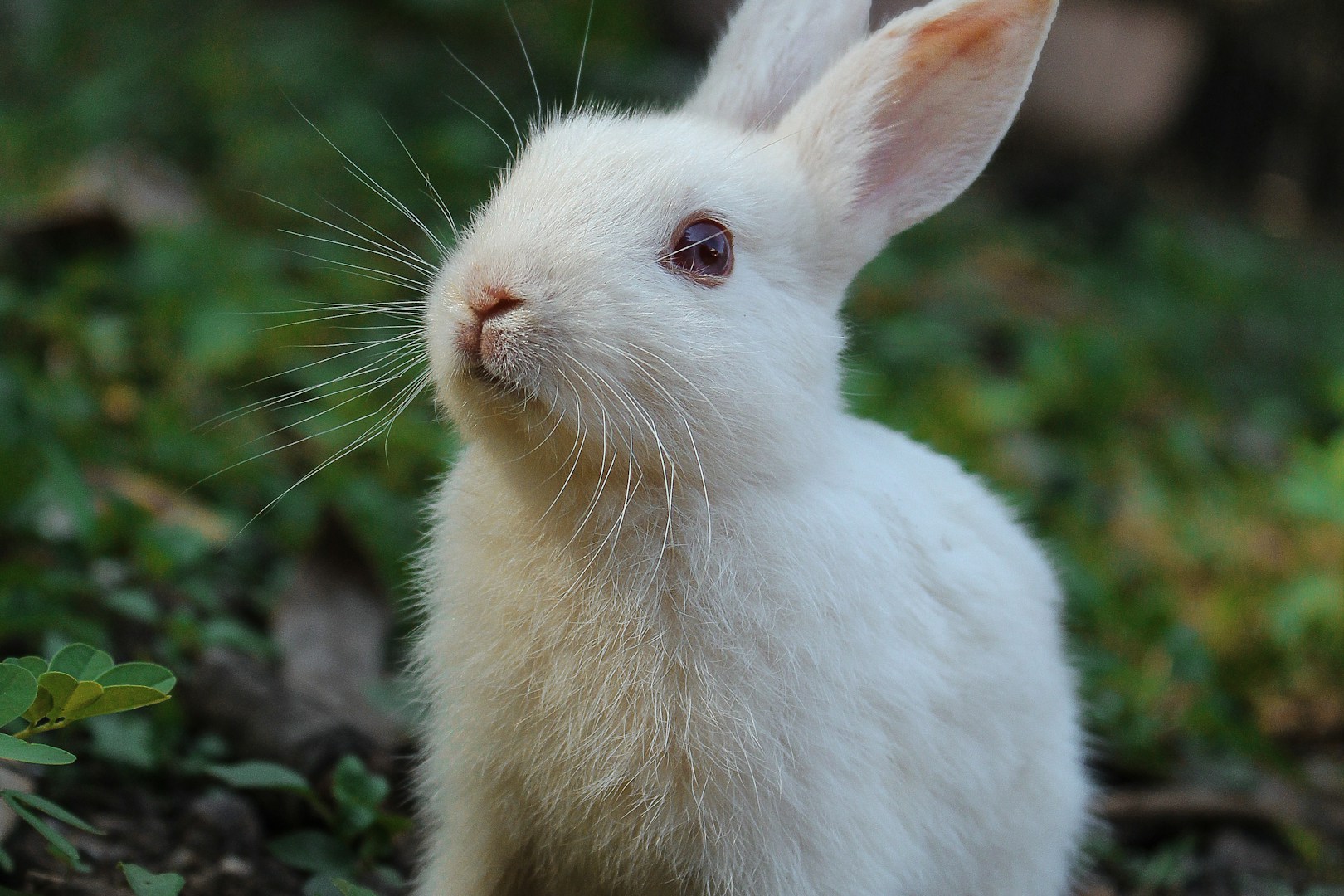
Rabbits are smaller and more compact than hares, with shorter legs and ears. Their fur is usually soft and comes in various colors, from brown and gray to white and black. Unlike hares, rabbits are born blind and hairless, relying entirely on their mothers in the first weeks of life. They are social animals, often living in groups called colonies, and they dig burrows for shelter, a behavior hares do not share.
Adopting Rabbits: Benefits and Challenges
Rabbits can be both helpful and troublesome for gardeners. On the positive side, they help aerate the soil with their digging and contribute to fertilization through their droppings. However, they also have a strong appetite for vegetables, flowers, and young plants, which can be frustrating for gardeners. To protect plants, many people use fencing or natural repellents, while still appreciating rabbits for their role in the ecosystem.
Remember to bunny-proof your home by protecting wires and furniture, as their natural chewing instincts never stop!
The Difference Between Rabbits and Hares
Though rabbits and hares belong to the same family (Leporidae), they have distinct differences. Hares are larger, with longer legs and ears, and are built for speed to escape predators. Unlike rabbits, hares are born fully furred with open eyes, ready to run shortly after birth. Hares also prefer open fields and rely on their speed rather than burrows for protection. Additionally, rabbits are more adaptable to human environments, while hares tend to stay in the wild.
Curiosities About Rabbits
- A rabbit’s teeth never stop growing, so they must chew constantly to keep them worn down.
- They can jump up to three feet high and run up to 45 miles per hour in short bursts.
- Rabbits have nearly 360-degree vision, helping them detect predators from almost any angle.
- The world’s largest rabbit, Darius, weighed over 50 pounds!








Conservation and Human Interaction
Wild rabbits face threats from habitat loss, predators, and diseases like myxomatosis. Some species, such as the European rabbit, are considered invasive in certain regions due to their rapid reproduction. However, domestic rabbits are beloved pets worldwide, known for their gentle and curious personalities. Responsible pet ownership and habitat conservation efforts help ensure that both wild and domestic rabbits thrive.