
Nature’s Silent Protectors: Spiders
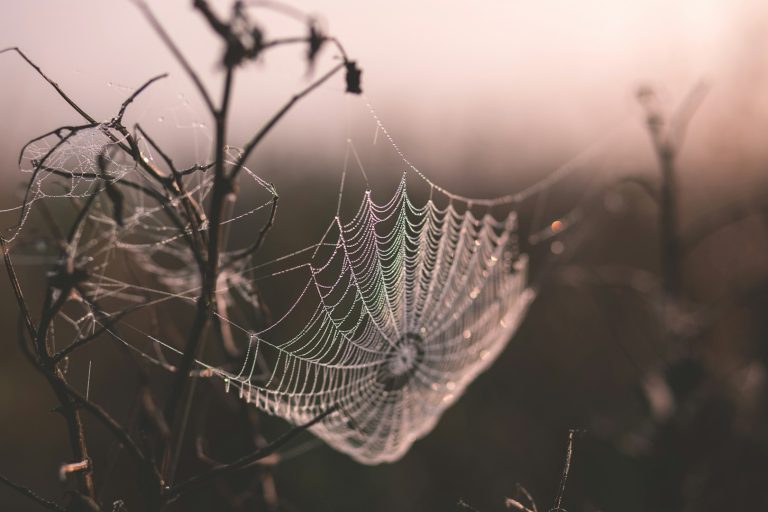
As the sun sets and dew forms on delicate webs, nature’s most skilled architects get to work. Spiders, often feared but rarely understood, are among Earth’s most important predators. These eight-legged marvels have existed for over 380 million years, perfecting their role as natural pest controllers. While they may send shivers down some spines, spiders are actually shy, beneficial creatures that maintain ecological balance in our gardens, homes, and ecosystems.
Physical Characteristics and Behavior
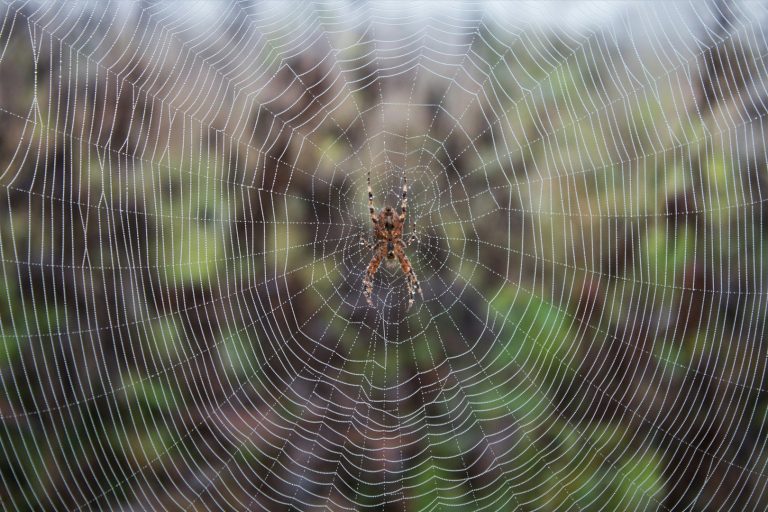
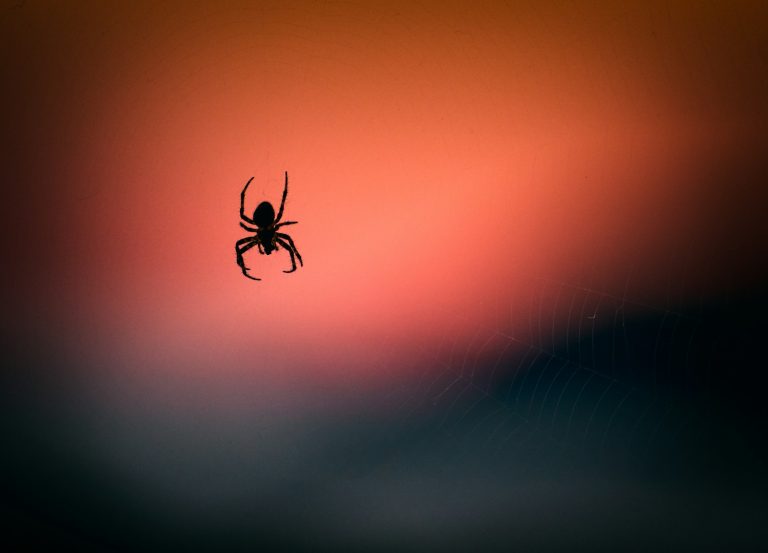
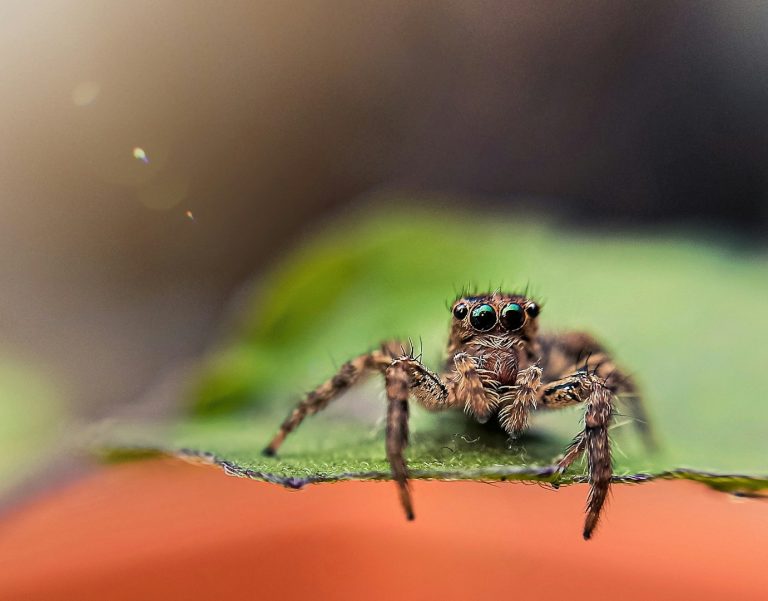
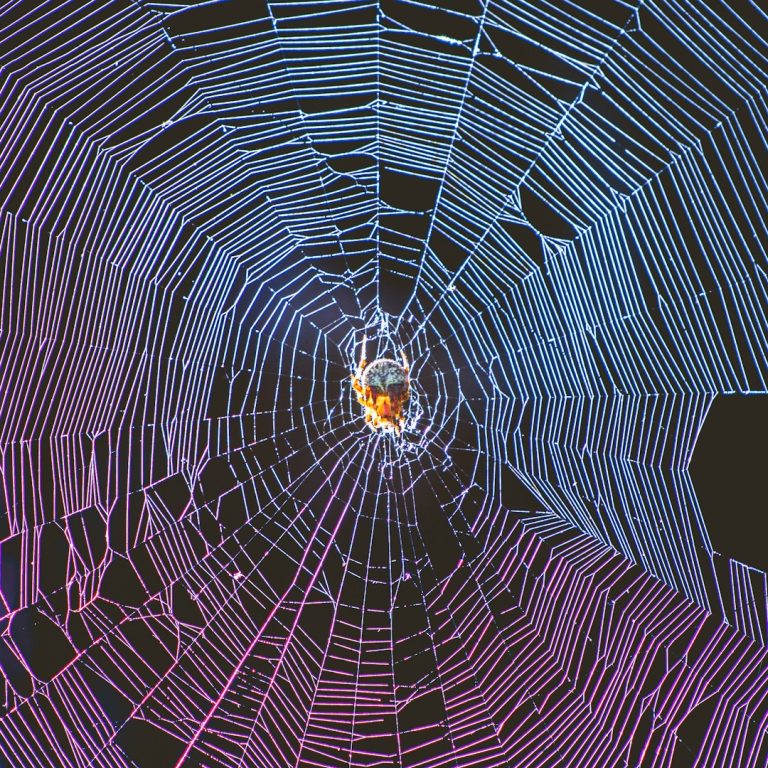
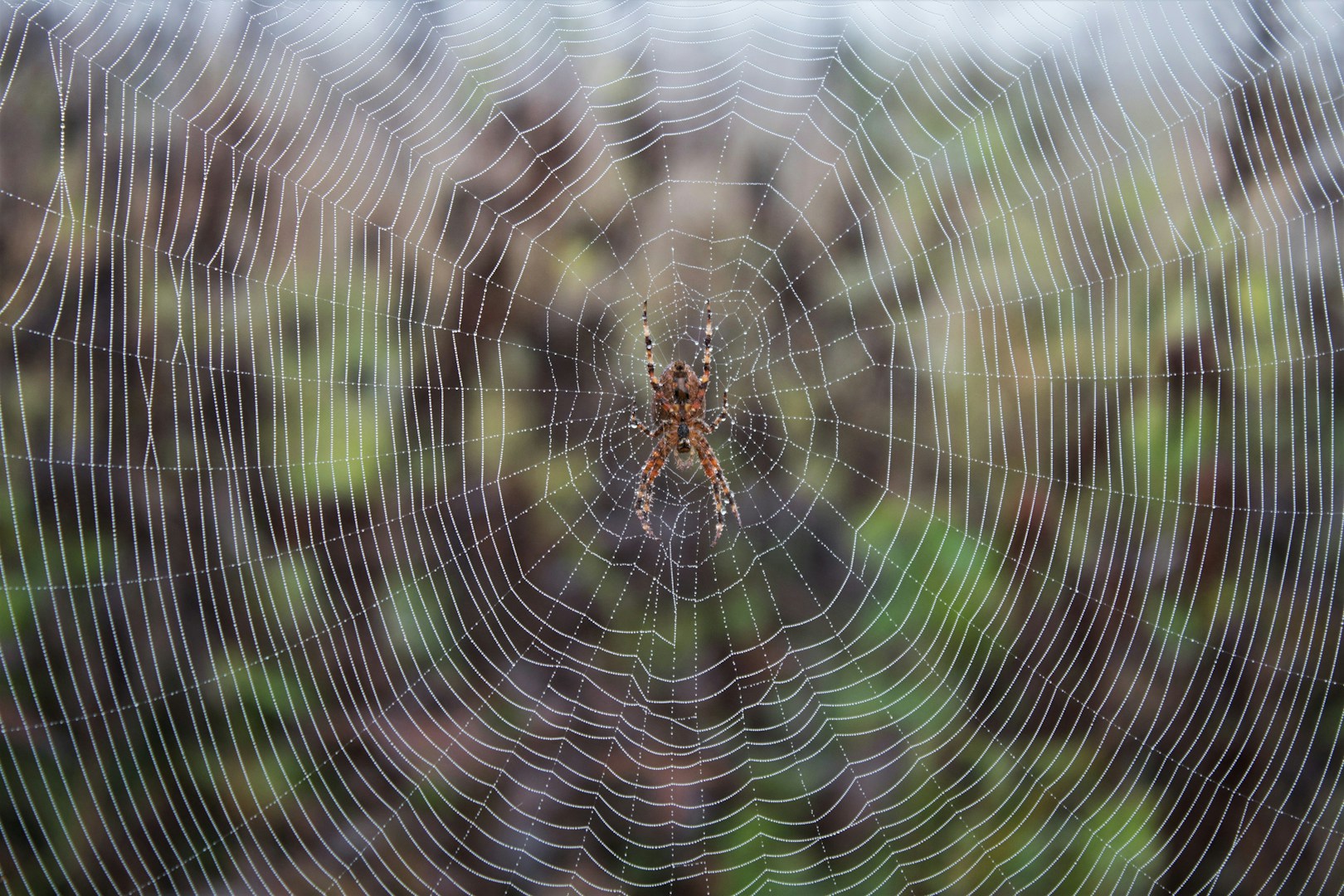
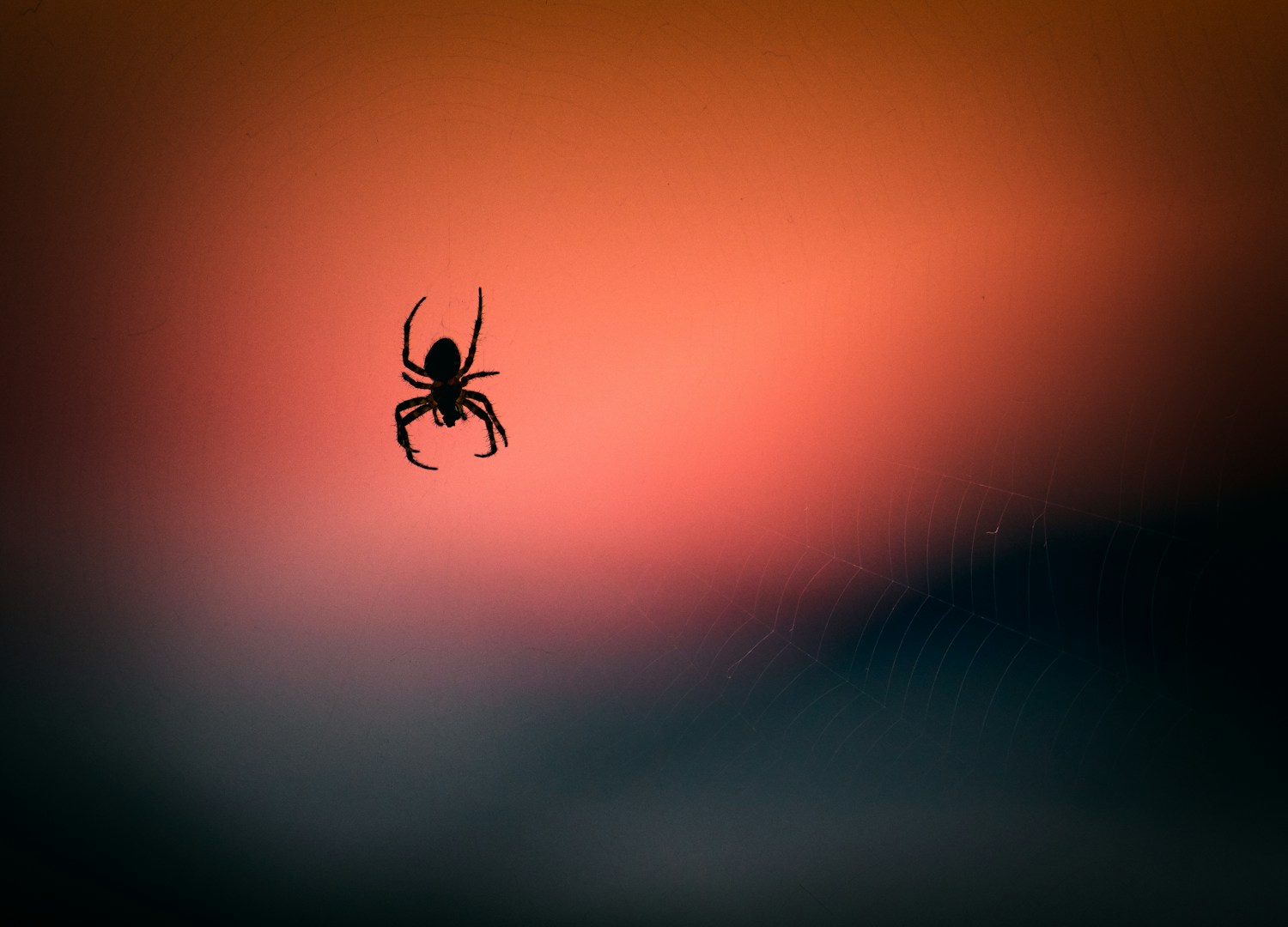
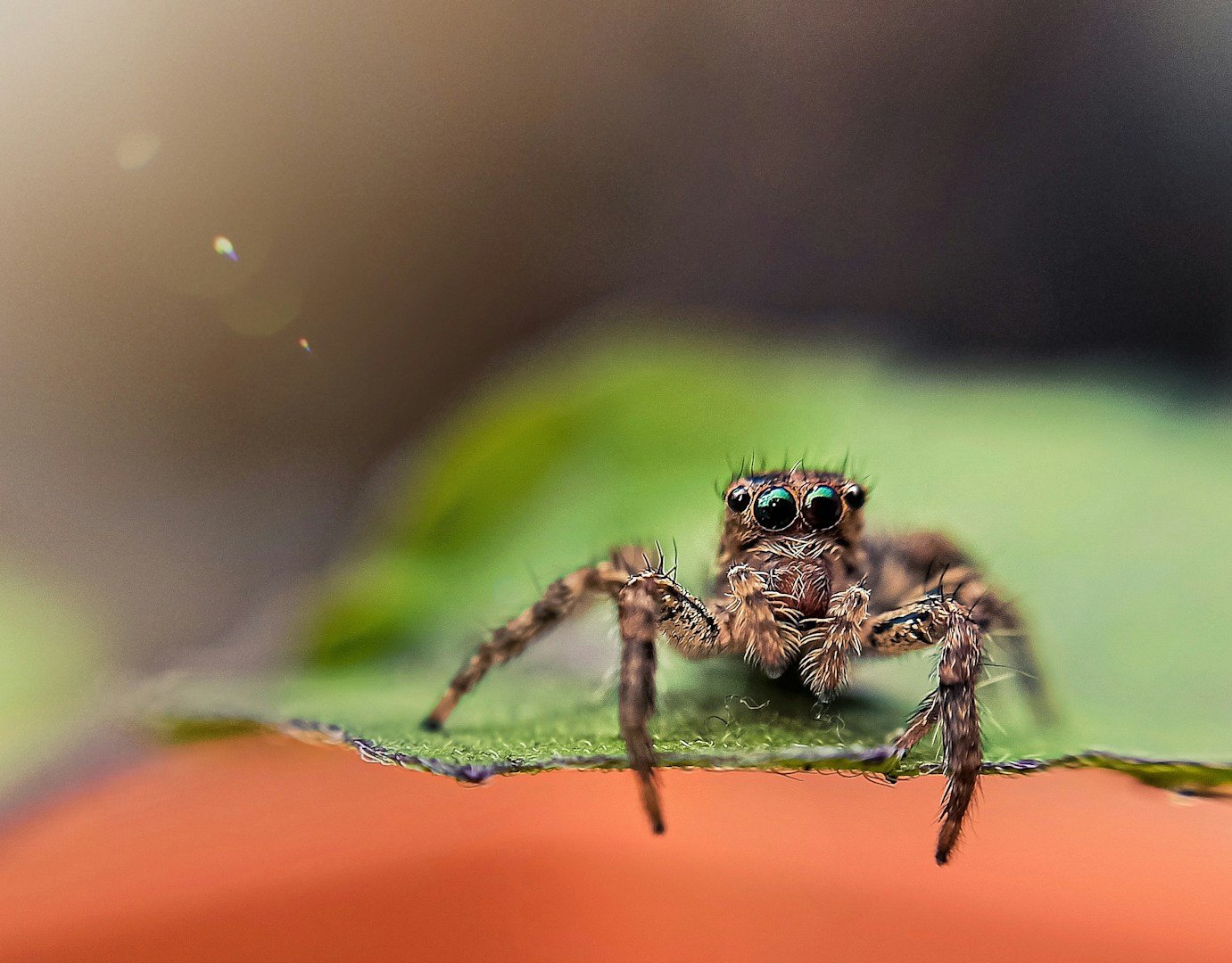
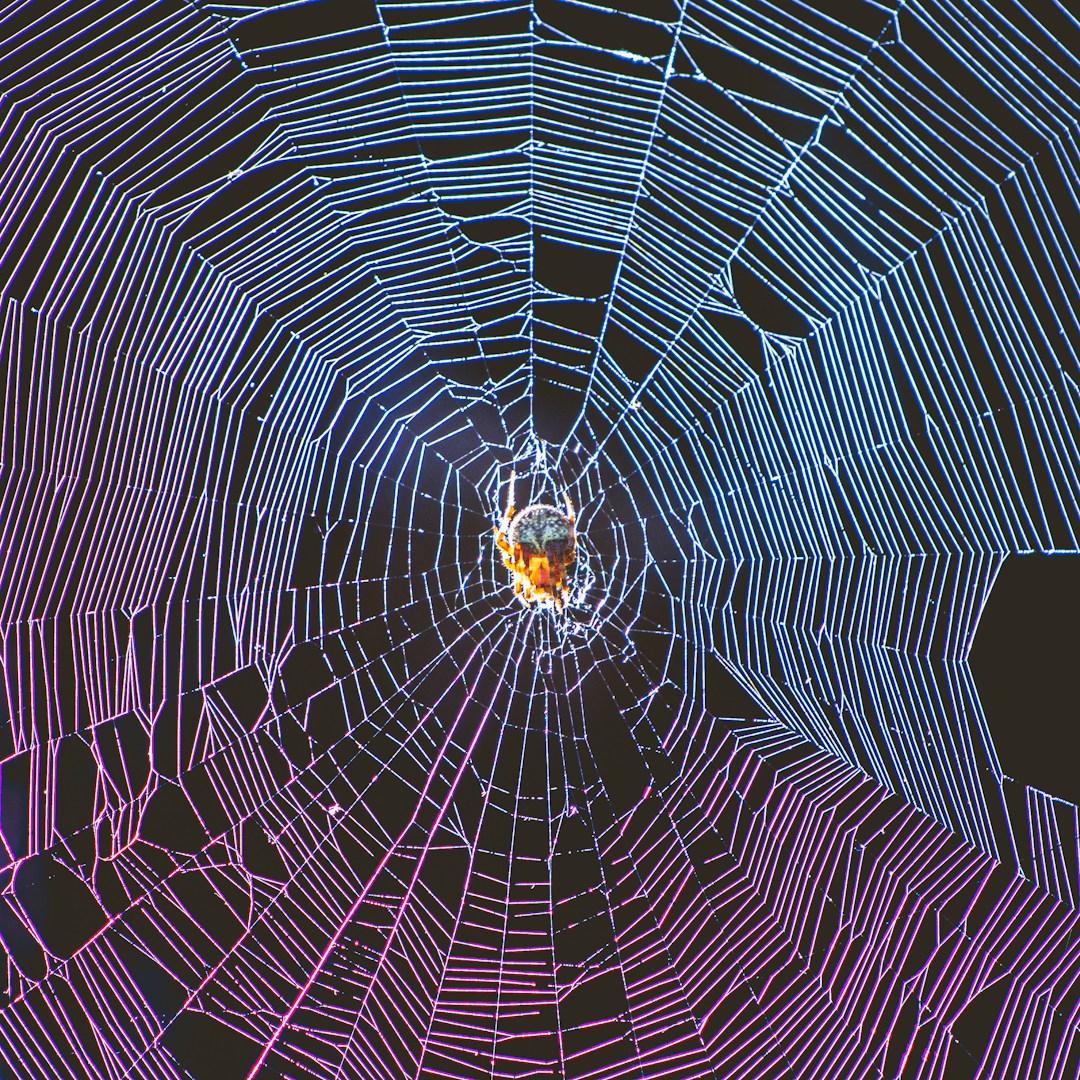
Spiders are arachnids, not insects, distinguished by their eight legs, fangs (chelicerae), and ability to produce silk. They lack wings and antennae but possess up to eight eyes, though many species have poor vision and rely on vibrations to navigate. Spiders exhibit astonishing diversity, from tiny jumping spiders that hunt during the day to large orb weavers that spin intricate webs at night. Their silk, stronger than steel relative to its thickness, serves multiple purposes: building webs, creating egg sacs, and even “ballooning” through the air on strands.
How to Coexist with Spiders
Instead of reaching for a broom, consider these spider-friendly practices:
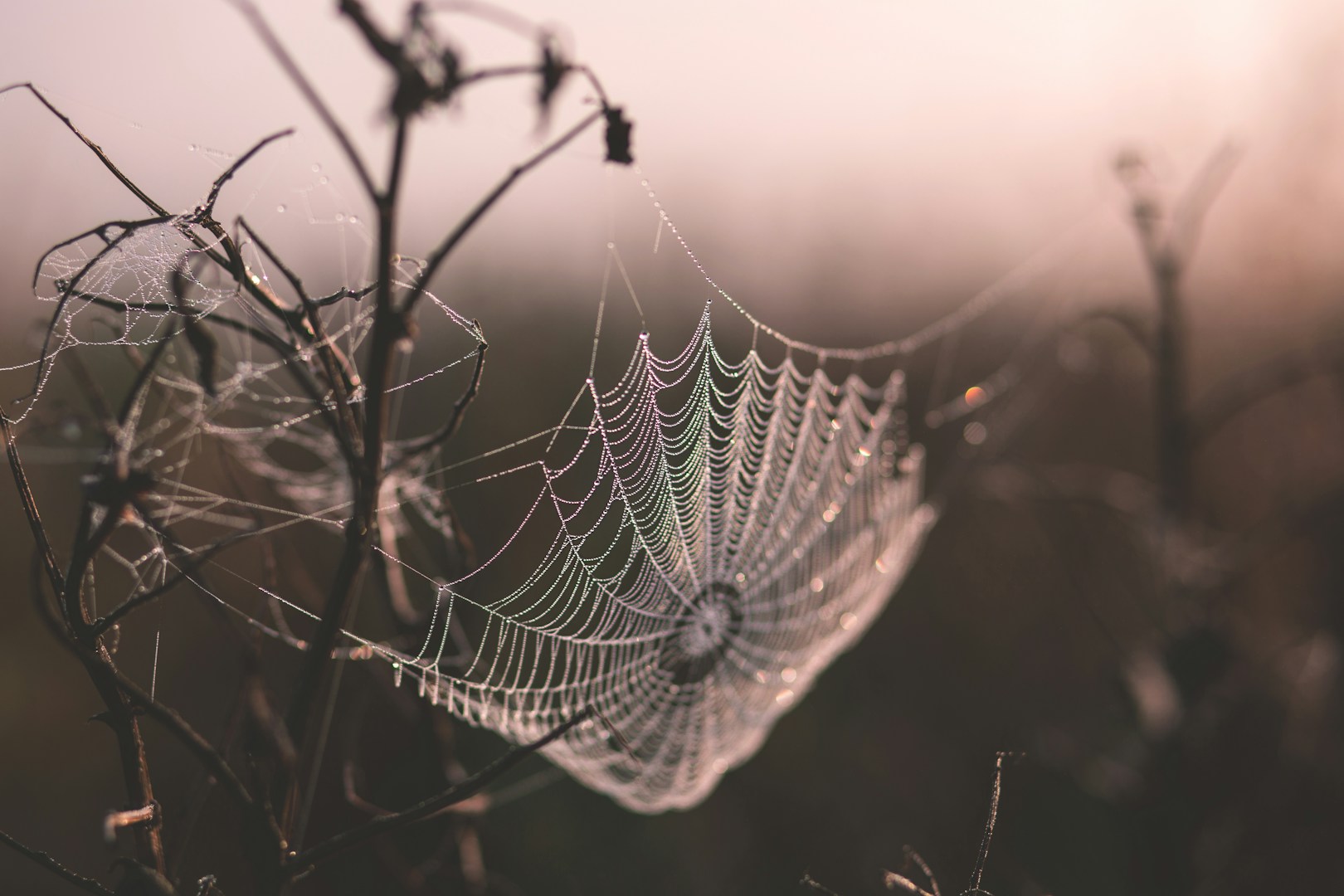
Leave webs undisturbed in corners or gardens, they’ll trap pests for you.
Use natural deterrents like peppermint oil indoors if spiders make you uneasy.
Avoid pesticides, which harm spiders and disrupt natural pest control.
Appreciate their artistry, observe orb weavers’ geometric webs or jumping spiders’ curious behavior.
Benefits of Spiders in The Ecosystem
Natural Pest Control – Spiders consume 400–800 million tons of insects annually worldwide, including mosquitoes, flies, and crop-damaging pests.
Garden Guardians – They protect plants by preying on aphids, caterpillars, and beetles without harming vegetation.
Medical Potential – Spider venom is being studied for pain relief, neurological treatments, and even eco-friendly pesticides.
Food Web Support – They serve as prey for birds, reptiles, and small mammals, sustaining biodiversity
Fascinating Spider Facts
- The peacock spider dances to impress mates with vibrant colors.
- Bolas spiders mimic moth pheromones to lure prey with a sticky “fishing line.”
- Diving bell spiders live underwater in air bubble webs.
- Spider silk could revolutionize medicine, scientists have created artificial skin and sutures from it.
Challenges and Conservation
Despite their ecological value, spiders suffer from habitat loss and pesticide use. Many species are declining due to climate change and invasive competitors. By reducing chemical use and preserving natural habitats, we can protect these vital predators. Public education is also key—dispelling myths about “dangerous” spiders (most are harmless) helps foster coexistence.