
Gentle Garden Guardians: Turtles and Tortoises
Turtles and tortoises are fascinating reptiles that have been kept as pets for centuries. While turtles are often associated with water, tortoises are land-dwelling creatures, both known for their slow movements, long lifespans, and peaceful nature. Unlike many pets, these shelled companions can thrive in outdoor garden spaces when given the right environment. With proper care, they can become a natural and low-maintenance addition to your backyard.
Physical Traits and Behavior
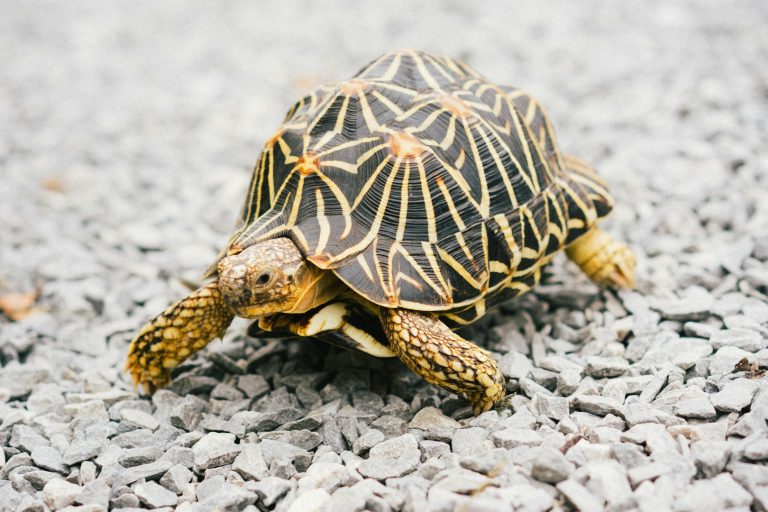
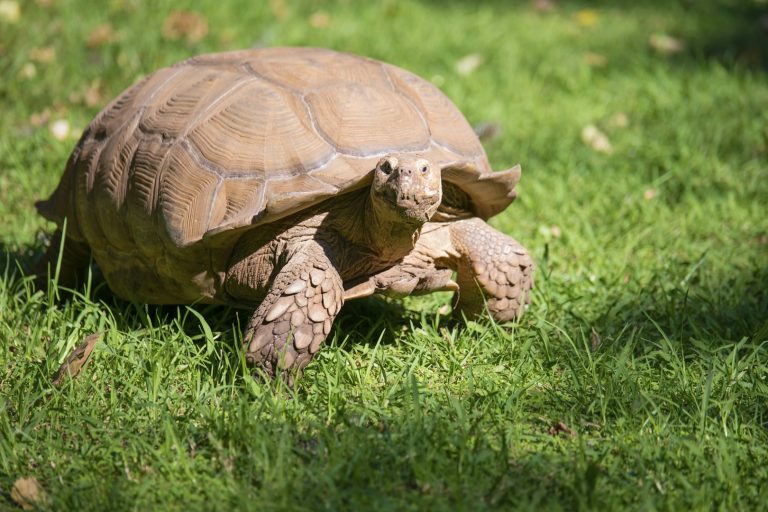
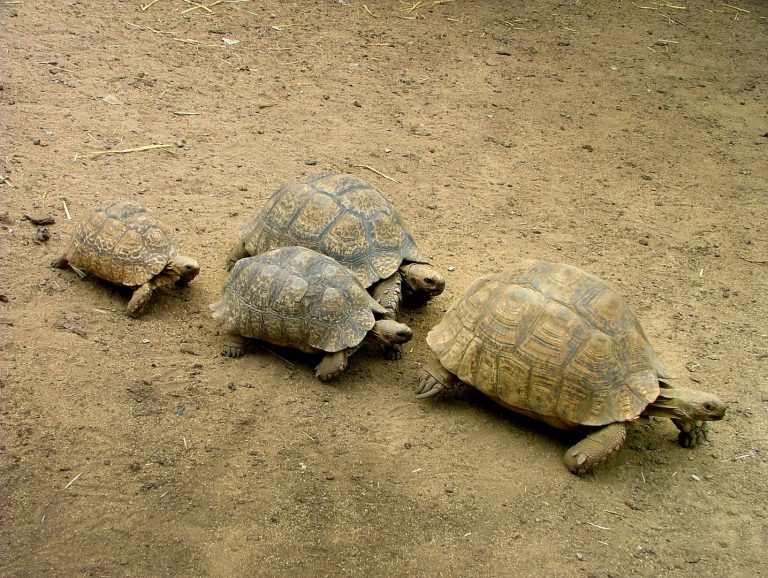
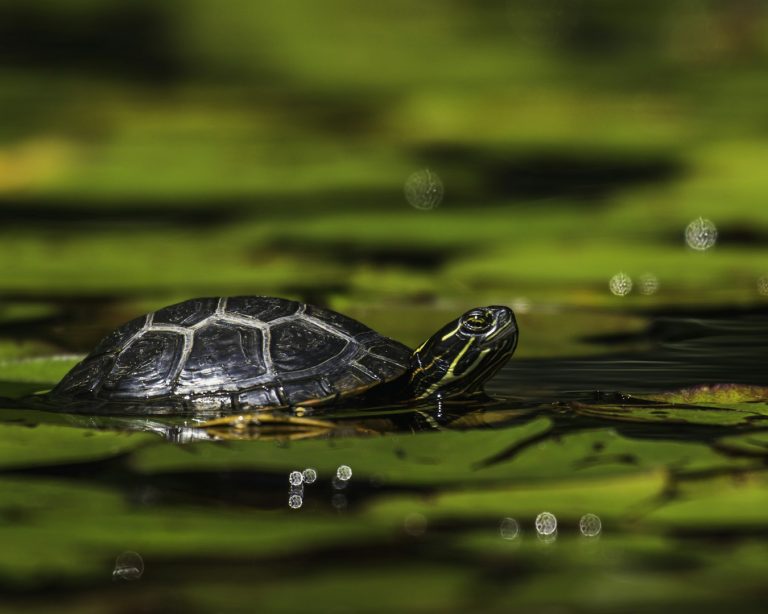
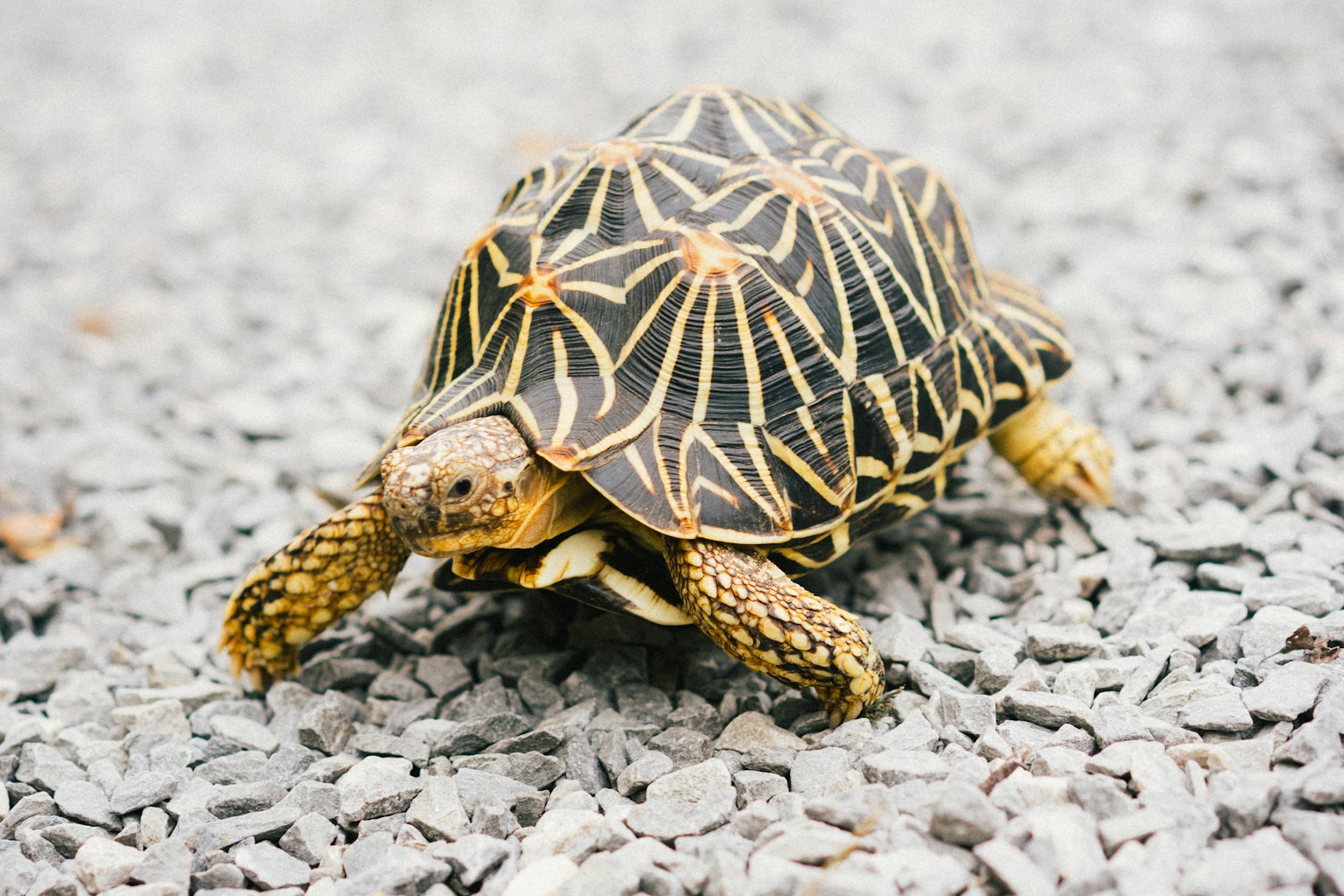
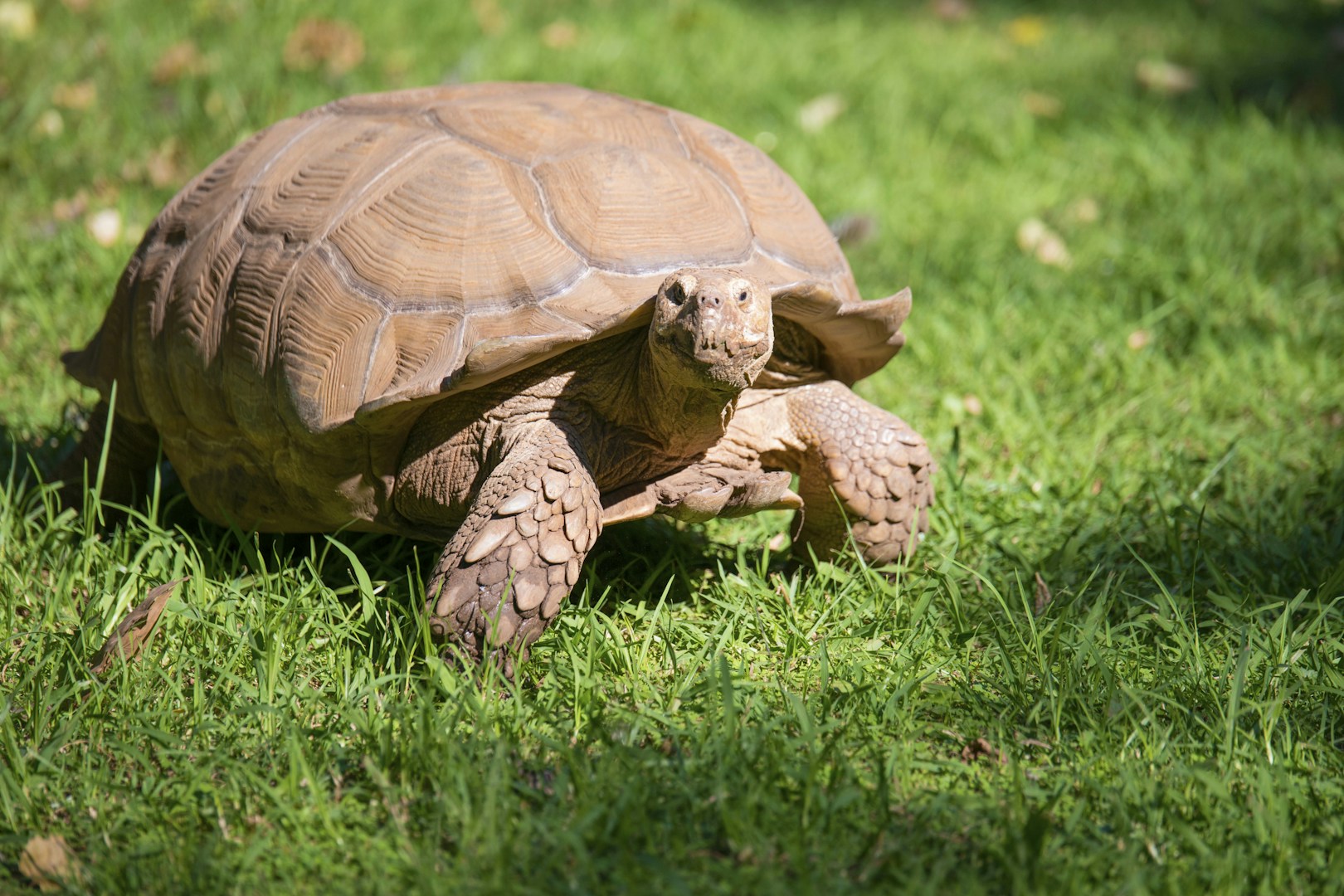
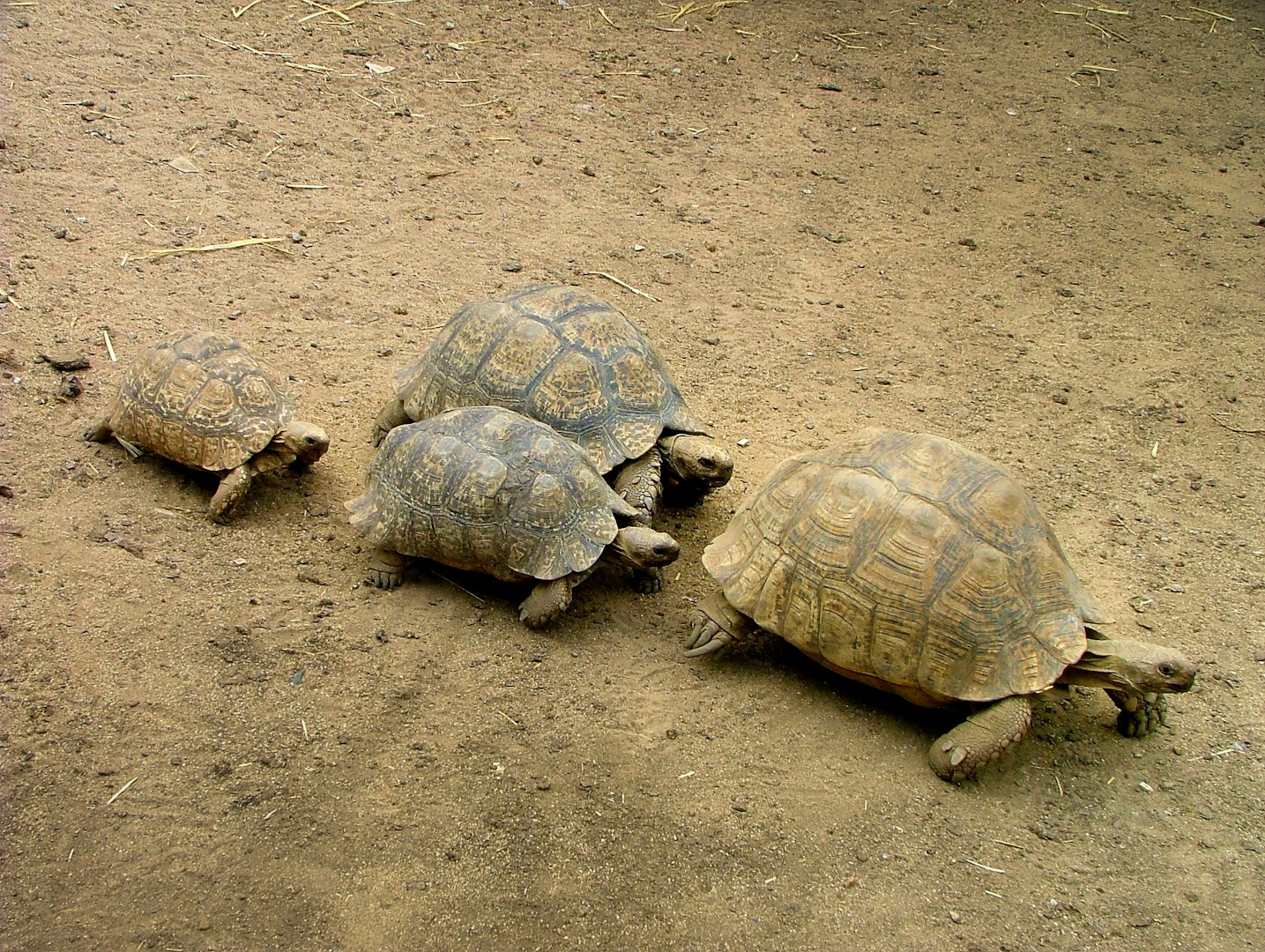
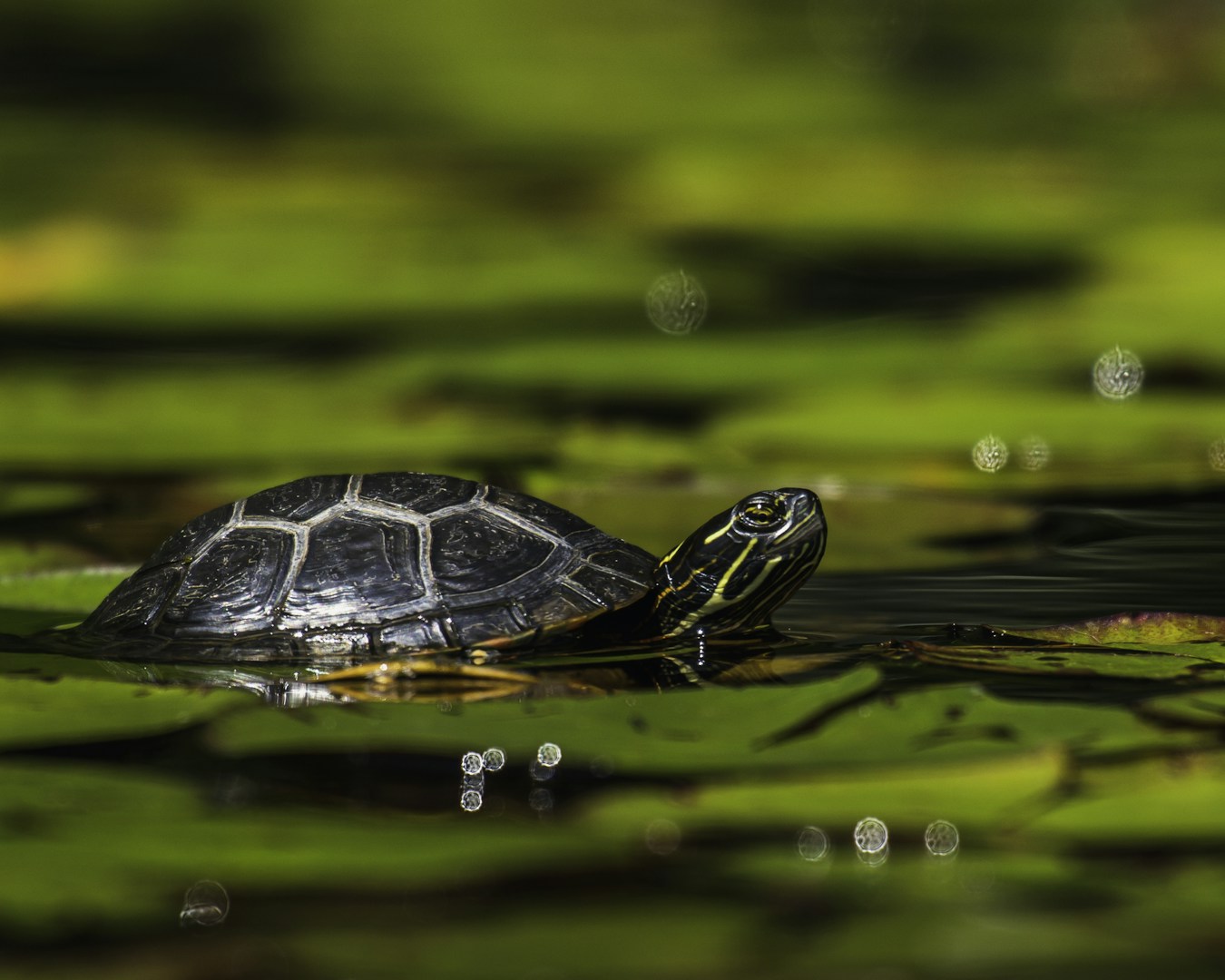
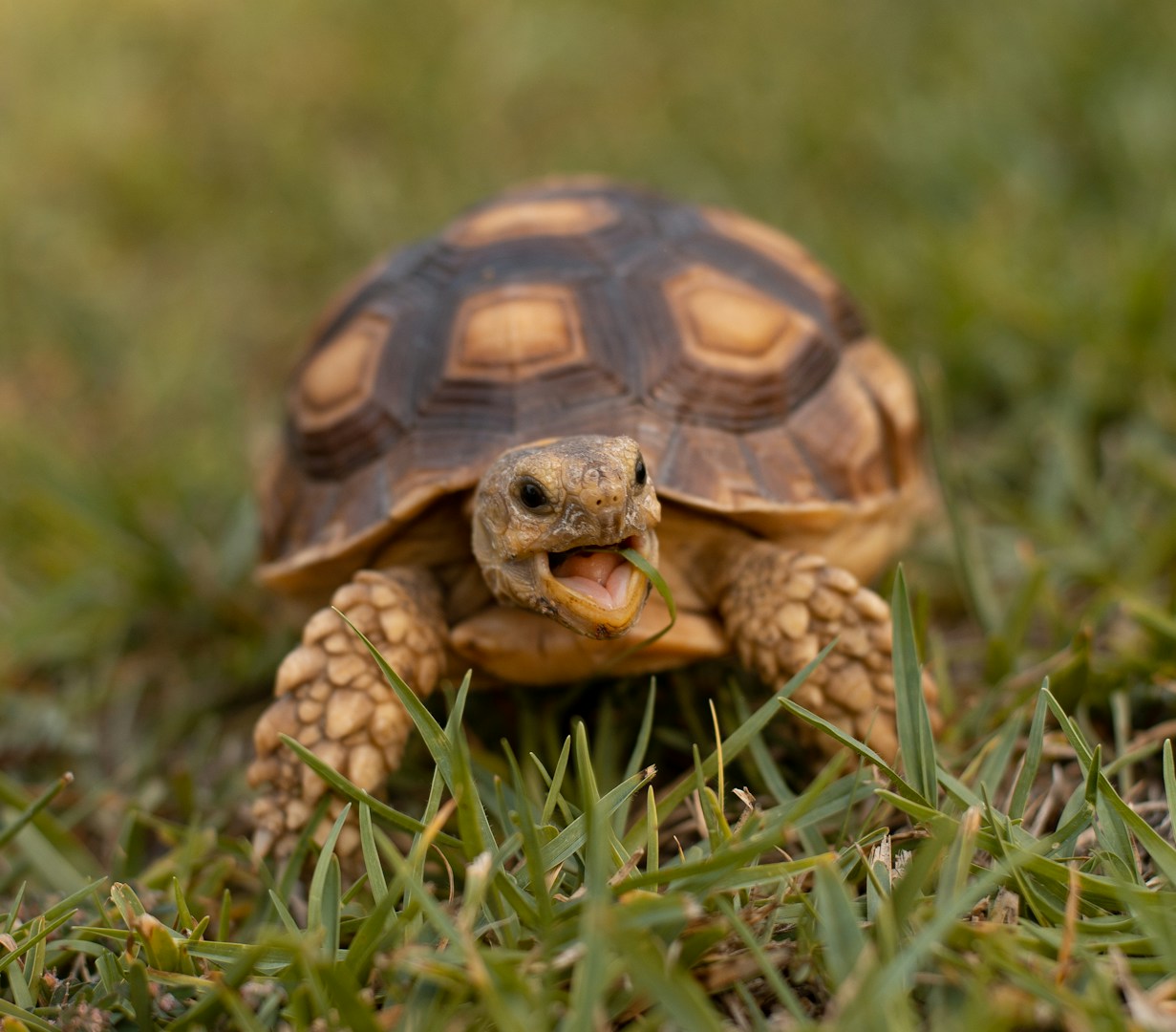
Turtles and tortoises are easily recognized by their protective shells, which are actually part of their skeleton. Tortoises tend to have heavier, dome-shaped shells, while turtles have lighter, streamlined ones for swimming. These reptiles are cold-blooded, meaning they rely on the sun to regulate their body temperature. They are generally docile, though some species can live for over 100 years, making them a lifelong commitment.
Benefits of Garden Tortoises and Turtles
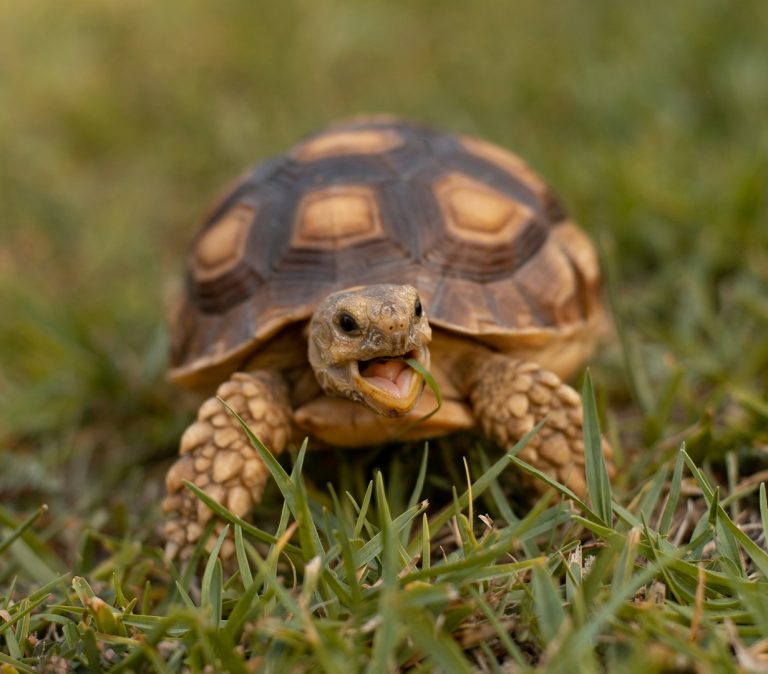
These reptiles help maintain a balanced garden ecosystem. Tortoises naturally trim grass and weeds, reducing the need for mowing, while their slow movements won’t disturb delicate plants. Some turtles eat pests like slugs and insects, acting as natural pest control. Their presence also adds a unique, ancient charm to any outdoor space, making them a living piece of natural history.
Creating a Safe Garden Habitat
If you want to keep a tortoise (or certain turtle species) in your garden, you’ll need to provide a secure, predator-proof enclosure. Tortoises love to graze on weeds, leafy greens, and flowers, so a pesticide-free garden is essential. They also need hiding spots, shallow water dishes, and sunny areas for basking. For turtles, a pond with clean, filtered water and dry land areas is ideal. Always research your pet’s specific needs, as some species hibernate and others require heated shelters in winter.
Curiosities About Turtles and Tortoises
- The oldest recorded tortoise, Jonathan, is over 190 years old and still alive today!
- A turtle’s shell contains nerve endings, meaning they can feel when touched.
- Tortoises can recognize their owners and even show curiosity.
- Some species, like the Galápagos tortoise, can weigh over 900 pounds!
Challenges and Responsibilities
While low-maintenance compared to other pets, turtles and tortoises still require proper care. Escapes are a risk, so enclosures must be sturdy. They can also be vulnerable to extreme weather, so providing shade in summer and insulation in winter is crucial. Additionally, some species are protected by law, so always ensure your pet is legally obtained and ethically cared for. By creating a safe and enriching garden habitat, you can enjoy the company of these ancient reptiles while helping them live a long, healthy life. Whether slowly wandering through flower beds or basking in the sun, a garden tortoise or turtle brings tranquility and wonder to any outdoor space.